
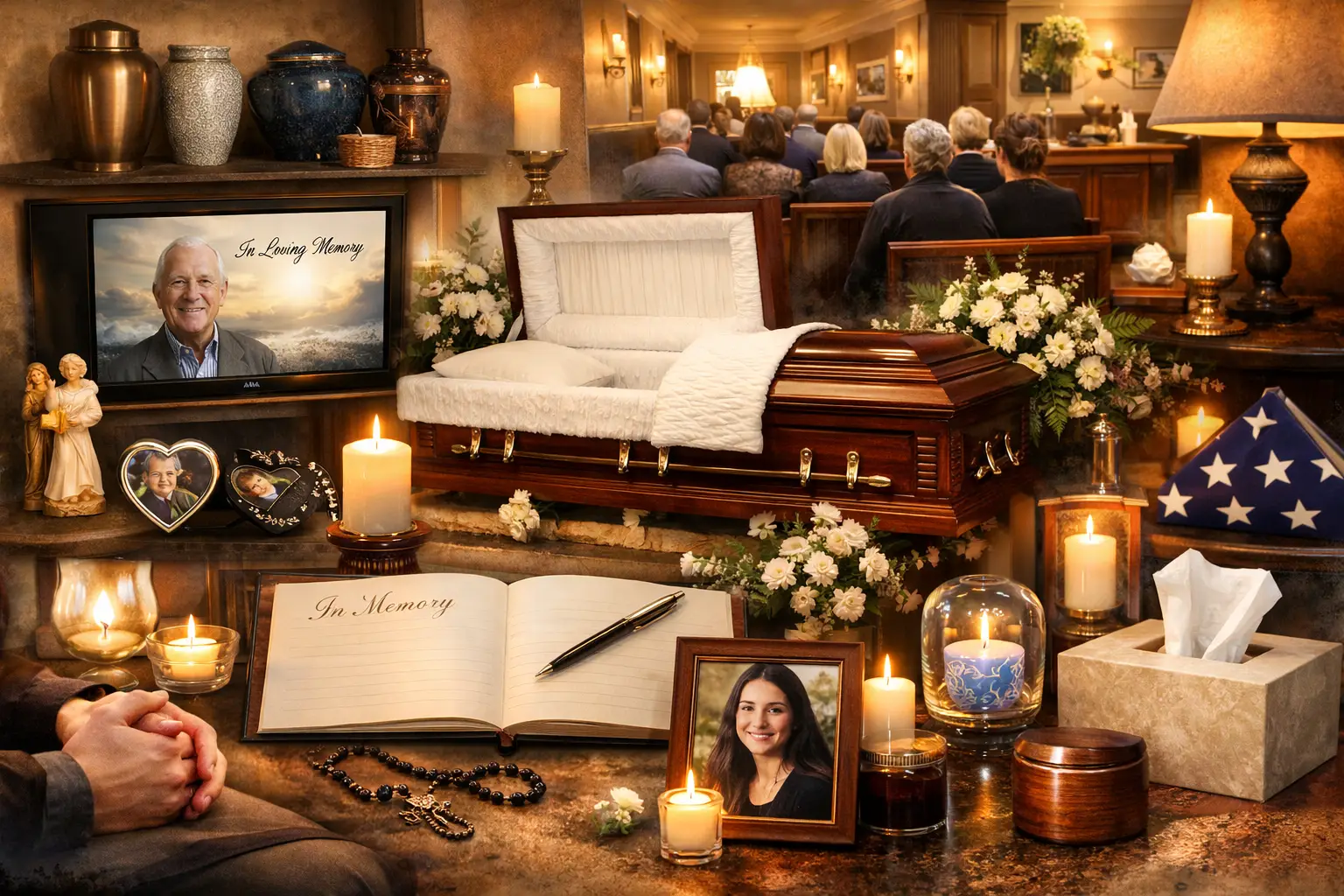
What makes a funeral home exceptional? Is it the look of the building and chapel spaces? Is it the audio and video capabilities? The breadth of merchandise options available? Or is it more about the professionalism of the staff and how they carry themselves? Every mortician has a different answer and order of importance he or she places on the many components that define funeral home presentation.
And let’s be honest, every funeral director has a silent checklist in their brain they mentally review anytime they attend a service at a different firm or see a mortuary on TV handling a famous funeral service. It’s not judging—it’s, okay maybe it’s judging a little bit—but it’s also professional instinct. Years of experience naturally train funeral directors to notice the details others might overlook.
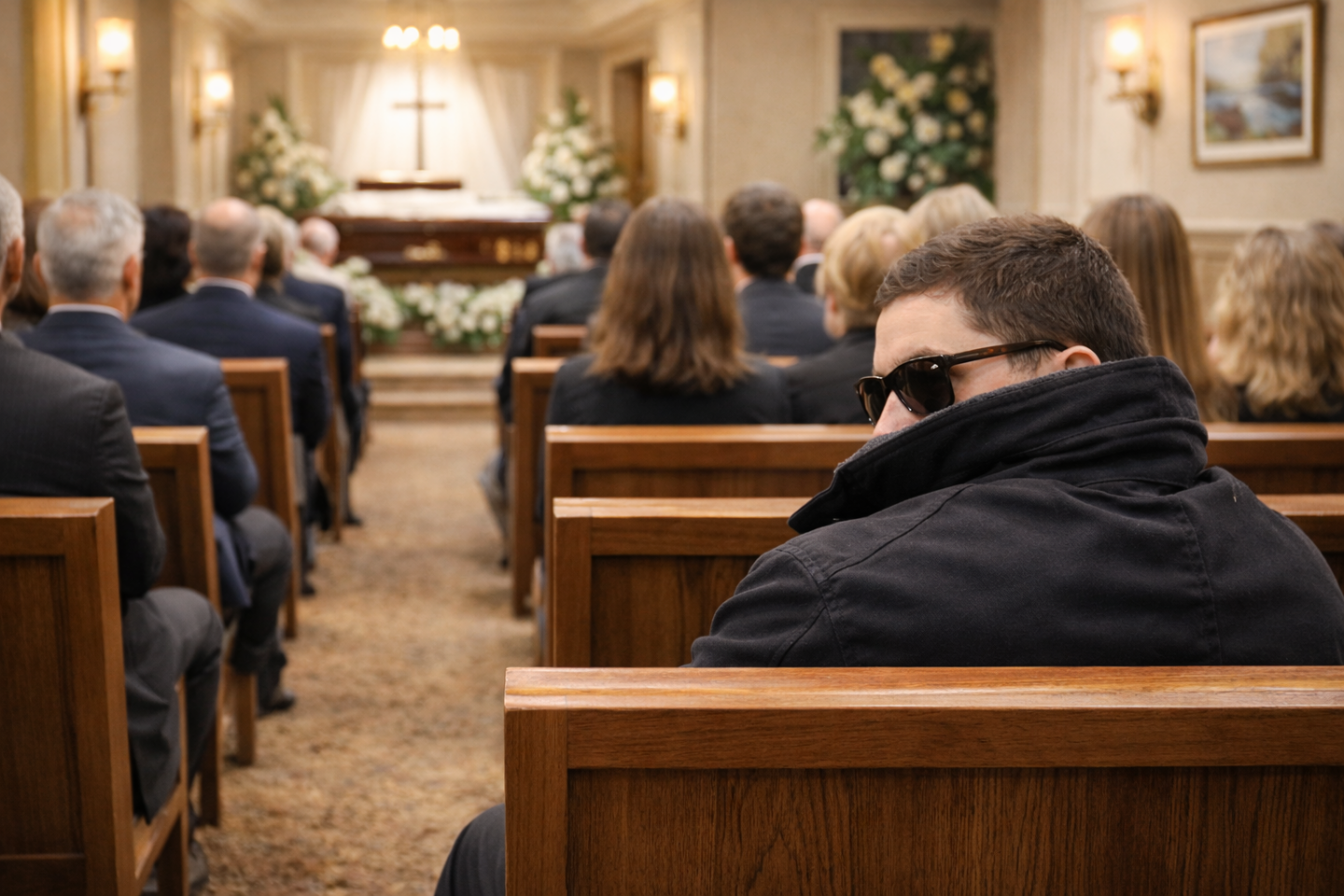
From the moment they pull into the parking lot, they are observing how everything flows. Is the building welcoming and well-maintained? Are staff members polished, attentive, and coordinated? Even subtle elements—lighting, sound quality, printed materials, and the pacing of the service—contribute to the overall impression. A funeral home’s presentation also extends beyond its physical location—many directors will also notice whether a peer’s telephone customer service or website is outstanding or subpar.
It all goes back to that age-old quote from Maya Angelou that so aptly defines funeral service work: “people will forget what you said, people will forget what you did, but people will never forget how you made them feel.” How do people feel after they leave your funeral home? There are many factors that determine the answer. It’s these very details that experienced funeral directors can’t help but take note of when they visit—or even just observe—the work of their colleagues.
1. The Small Details that Say A Lot
More than any one big single thing, funeral directors often take note of all of the small details that must come together to create a meaningful funeral experience. This is why whenever there is a televised memorial service for a famous person, funeral directors will comment if the casket bier is off center or if a draped flag looks wrinkled. Here are some of the items that are likely on every funeral director’s mental checklist when they walk into another chapel:
- Is the chapel lighting soft and comforting or harsh and clinical?
- Is the exterior landscaping well-maintained?
- Are the floors freshly vacuumed? Are there any dusty areas or scuff marks?
- Are trash cans emptied regularly?
- Is the décor tasteful and symmetrical with furniture intentionally balanced, or does the room feel visually cluttered?
- Are floral arrangements displayed in an elegant manner?
- Are the restrooms spotless and fully stocked?
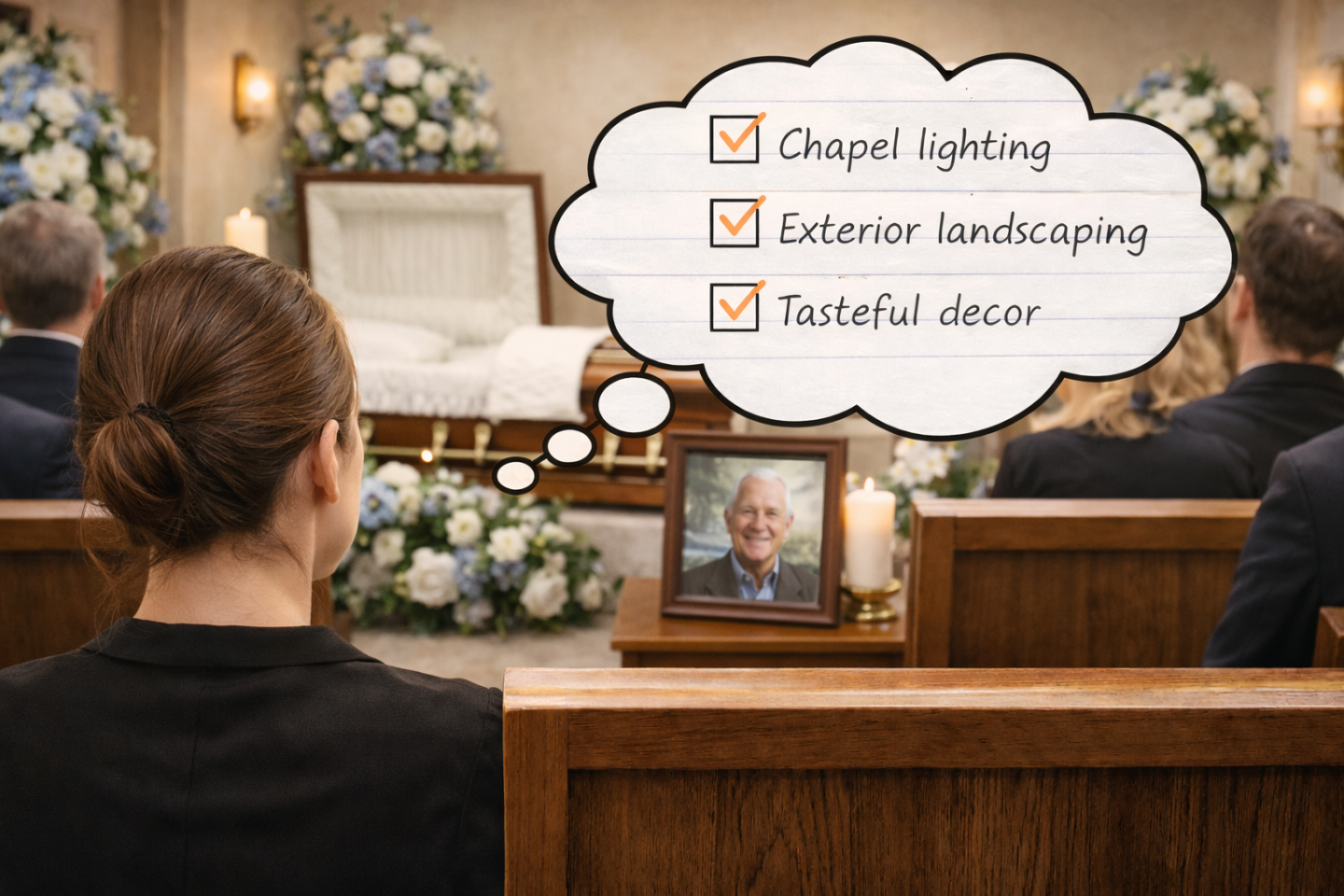
We could likely name a few dozen more of these small but important details that collectively define a funeral home’s presentation. Most funeral directors take pride in being detail oriented. Those that don’t are often the ones you see being lambasted on Google reviews. There is no such thing as an insignificant detail when it comes to serving grieving families.
2. Professionalism of Staff
Funeral directors instinctively observe how staff carry themselves—posture, tone of voice, attentiveness to families. They notice the professionalism of each employee’s attire, whether they look polished or disheveled and if their clothing appears free of wrinkles or stains. They also notice how attentive they are to visitors. Do they offer to take your coat when you enter the building? Do they direct people to the appropriate rooms and keep the flow of the service on track?

They notice the small, unspoken interactions as well—whether staff make eye contact, offer a reassuring nod, or step in seamlessly when a family member seems uncertain about what to do next. Is someone discreetly refreshing water bottles or straightening chairs without drawing attention? Funeral directors can quickly tell when a team is working in quiet sync, anticipating needs before they’re voiced. It’s in these subtle moments of coordination, composure, and genuine care that true professionalism reveals itself.
3. Customer Service
One of the most common calls we handle at ASD are funeral homes contacting other funeral homes to coordinate arrangements. This has become more common in recent years with an increasing number of families living apart from one another in different geographical regions. During these exchanges, funeral directors naturally evaluate the level of customer service they receive. What is the experience like calling your funeral home? Are calls answered without delay or must callers wait on hold for long periods of time? From the tonality and professionalism of the person answering calls to the time they must wait before receiving a call back, these interactions form the basis of a funeral director’s impression of your funeral home’s presentation. Indeed, they may even determine whether or not that funeral home decides to call you again if need to coordinate services in your area for another family in the future.

What many firms don’t realize is that these calls are more than logistical touchpoints — they are peer-to-peer referrals in the making. We have had funeral homes decide to partner with ASD after experiencing firsthand the difference when calling another firm we serve. When their call is answered promptly by a calm, courteous, well-trained professional who understands funeral service, it leaves an impression. In some cases, that positive interaction has led directors to ask, “Who handles your phones?” A seamless, professional answering experience not only reflects well on your funeral home in the moment — it can quietly open the door to new relationships in the future.
4. Quality of Embalming Work
We’re not going to attempt a technical deep dive into what constitutes excellent embalming — that’s an art and science best explained by the professionals who practice it every day. But what we do know is that there are countless subtle details involved in creating a natural, peaceful presentation. Funeral directors don’t simply glance at the individual in the casket; they instinctively notice everything. The set of the features, the softness of the expression, the coloration of the hands, the contour of the mouth, the way cosmetics are blended, even how the lighting complements the preparation — all of it matters. They understand how much skill it takes to create an appearance that feels restful and recognizable. It’s often the smallest, most meticulous touches that distinguish good embalming from truly exceptional work, and fellow directors can recognize that difference immediately.

5. Audio and Visual Capabilities
There are likely some funeral directors out there who would tell you tribute videos, live streaming, and high-quality sound are not essential elements for a funeral service. They might see them as optional extras rather than necessities. However, more experienced funeral directors understand just how vital audio and video capabilities are for meeting the needs of modern families. Both the act of selecting photos for a tribute video and watching one at a service provide a cathartic release. Any funeral director who has taken the time to watch how families behave at services would notice how seeing a photo can help families to remember specific moments from a person’s life and share those memories with another.
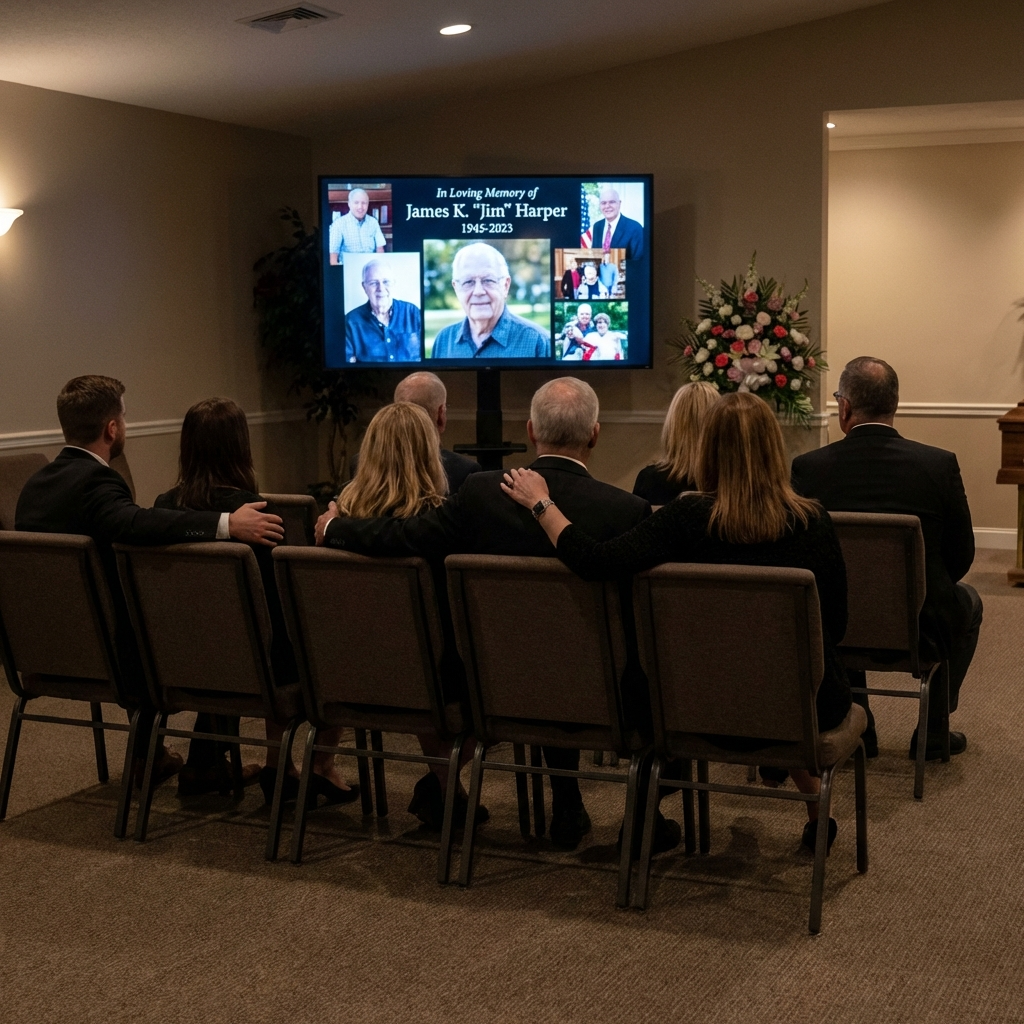
In addition to tribute videos, live streaming services has become increasingly important with so many families spread across the country. Having balanced, room-filling sound and dependable acoustics ensures that meaningful words reach every corner of the chapel—and every loved one watching remotely. When funeral directors visit another funeral home, they instinctively take note of these details: Is the microphone picking up soft-spoken remarks without distortion? Does the video play smoothly without awkward buffering or technical fumbling? Are lighting and screens positioned so that every guest can see comfortably? They notice because they understand that these elements are not superficial upgrades, but tools that create space for connection, reflection, and healthy grieving when families need it most.
6. Merchandise Selection Room
While most funeral homes separate the commercial aspect of funeral planning from the emotional experience of attending a visitation, funeral directors are naturally curious when they attend services at another firm. Even in the midst of paying their respects, they’ll often take a quiet glance at the selection room or display areas. Every funeral home presents its merchandise differently, shaped by its location, clientele, price point, and even the personal style of its leadership. Funeral directors are likely to observe if the firm relies on physical inventory, a digital catalog, or a seamless blend of both? They will check to see if the urns and caskets are displayed prominently or tucked away? Are keepsakes and stationery thoughtfully curated, or is the selection overwhelming?
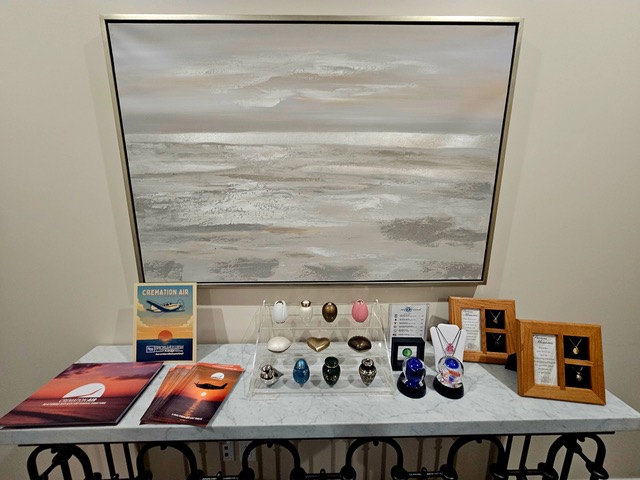
Funeral directors notice the balance—whether offerings feel cohesive and intentional, or mismatched and cluttered. They also take note of the unique touches. Maybe it’s a beautifully designed memorial jewelry collection, custom tribute printing done in-house, or even a brochure highlighting a specialized service like aerial scattering. They will look for meaningful, distinctive options that truly set the funeral home presentation apart. And just as importantly, they will likely be curious if the pricing aligns with the community. These are just a few of the many details funeral directors naturally evaluate when scoping out another funeral home’s selection room.
7. Parking lot and chapel size
When funeral directors visit another funeral home, they don’t just attend the service—they quietly evaluate the space. If you ever spot someone subtly counting parking spaces, there’s a good chance it’s a fellow director. Parking capacity can vary dramatically. In a recent Reddit discussion, one funeral director reported having “9 spots, with 3 reserved for staff,” while another shared they had “110 paved spots and 30–40 unpaved.” That wide range says a lot about how different facilities are positioned to serve families. Beyond the number itself, directors also take note of the practical details—whether there’s street parking nearby, grassy areas available for overflow, and whether attendants are outside directing traffic or leaving guests to navigate the lot on their own.
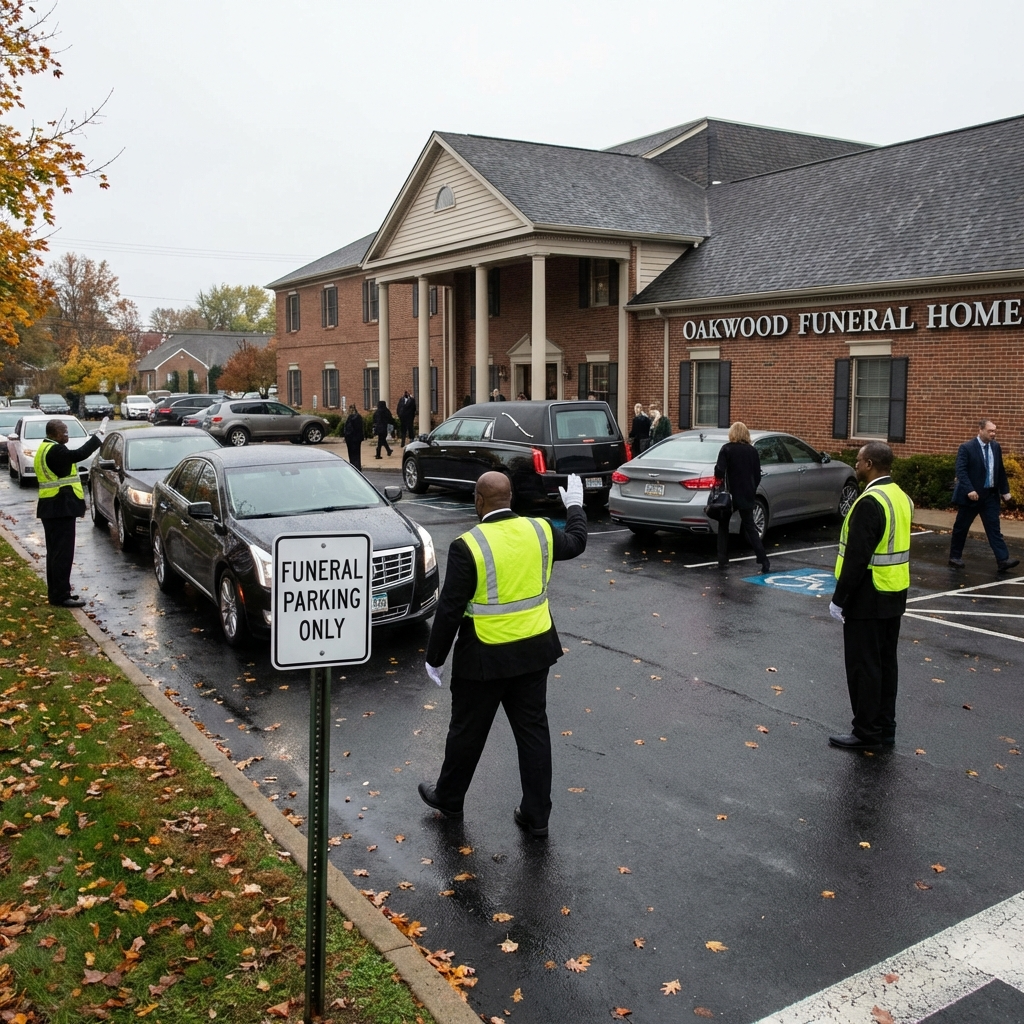
Inside, the chapel size matters just as much. Most single-chapel funeral homes accommodate between 50 and 100 people, but how that space is laid out can make all the difference. Directors observe whether chairs are arranged thoughtfully or crammed so tightly that guests must make do with tiny, uncomfortable seats with little personal space. While some factors—like maximum fire code occupancy—are outside your control, others, such as building layout and seating configuration, are strategic choices. Ultimately, chapel and parking capacity can become a selling point or a deal breaker, especially when families are comparing your firm to others in the area—and you can be sure other funeral directors are making those comparisons too.
8. Website
Here is the thing many funeral directors forget – people don’t just visit your funeral home in person, they visit it online as well. It’s always surprising when you find a funeral home that does an outstanding job serving families but has a lackluster website. The fact is, there are a lot of people who will view your website before they ever step foot inside your building. This includes other funeral directors who may be taking mental notes on your firm’s digital presence as you’re reading this.
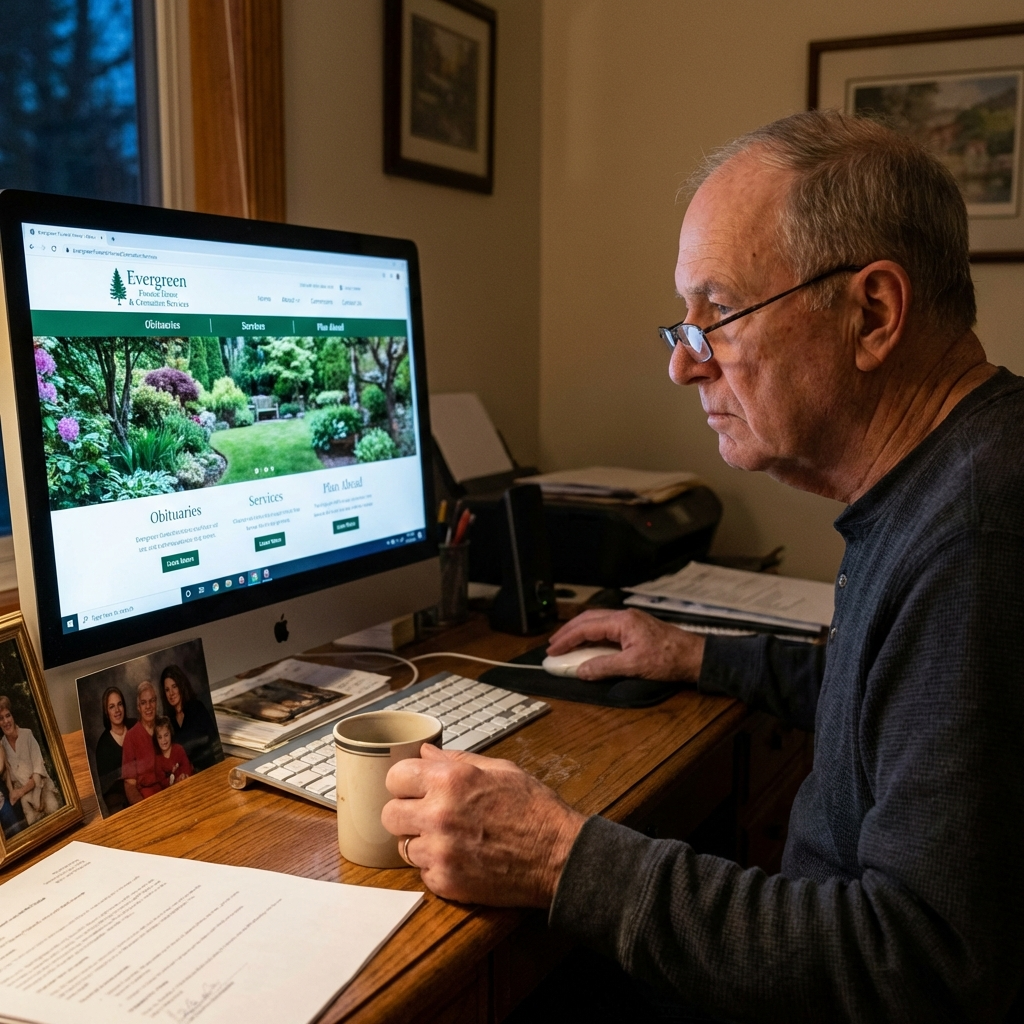
A few important questions to consider: Is the website easy to navigate? Does it reflect the care and attention you put into your services? Are the images of your facilities warm and inviting, or generic and uninspiring? Even subtle things, like how quickly a form loads or how clearly your service options are presented, can leave an impression. Does your website clearly and transparently display your prices, and if so, what does that communicate to other funeral directors about the quality and scope of your services? In many ways, your website is the first handshake with a family, and funeral directors notice when a home excels—or falls short—both offline and online.
What are some things you always notice when you visit another funeral home? What do you think are the most important factors that determine funeral home presentation? Share in the comments below.
Related Reading
Differentiating Your Funeral Home: 8 Unique Ways to Stand Out
11 Funeral Homes You Should Follow on Social Media
More than Morticians: The Surprising Number of Jobs Funeral Directors Juggle

2 Responses
So true!! I agree with all of those! Glad to know I am not the only one… Also, thank you for all of these fun things that you send to us funeral directors. It puts a necessary break in the day for truly happy and interesting things!! And it is work related so it doesn’t feel like something I am not supposed to be doing. And I learn things to share with others! So, THANK YOU!! You are appreciated!!
I completely agree with KrystalAnn. I love reading the ASD Publications. It is completely work related and informative when I learn new things. It also has good reminders of things to pay attention to, work on, and be proud of. Thanks for all you do!