Funeral directors come face to face with mortality every day. They regularly see the consequences of unhealthy habits and are often reminded how quickly life can change. Yet conversations about funeral director wellness remain relatively uncommon, despite the emotional and physical demands of the profession. The demands of funeral service can make it easy to put personal well-being on the back burner, which is why finding healthy outlets for stress is so important.
When ASD attended the Selected Independent Funeral Homes’ Leadership Conference earlier this year, our team had the opportunity to spend time with Josh Lee of Goodwin Funeral Home in Frankfort, IN and hear firsthand about his remarkable health journey. As a company that strongly believes in fitness, exercise, and healthy living, ASD is passionate about promoting funeral director wellness and supporting healthy outlets for the stresses that come with serving families.
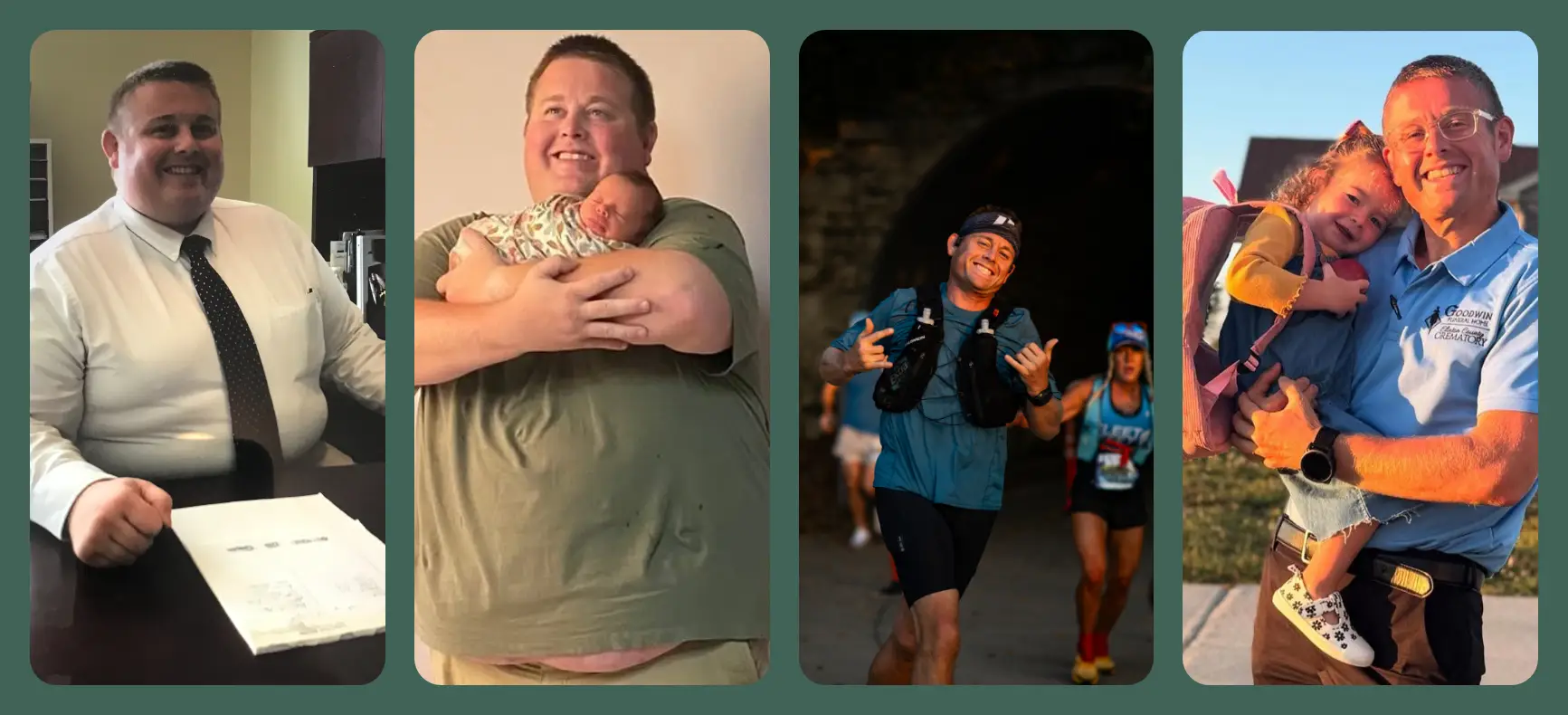
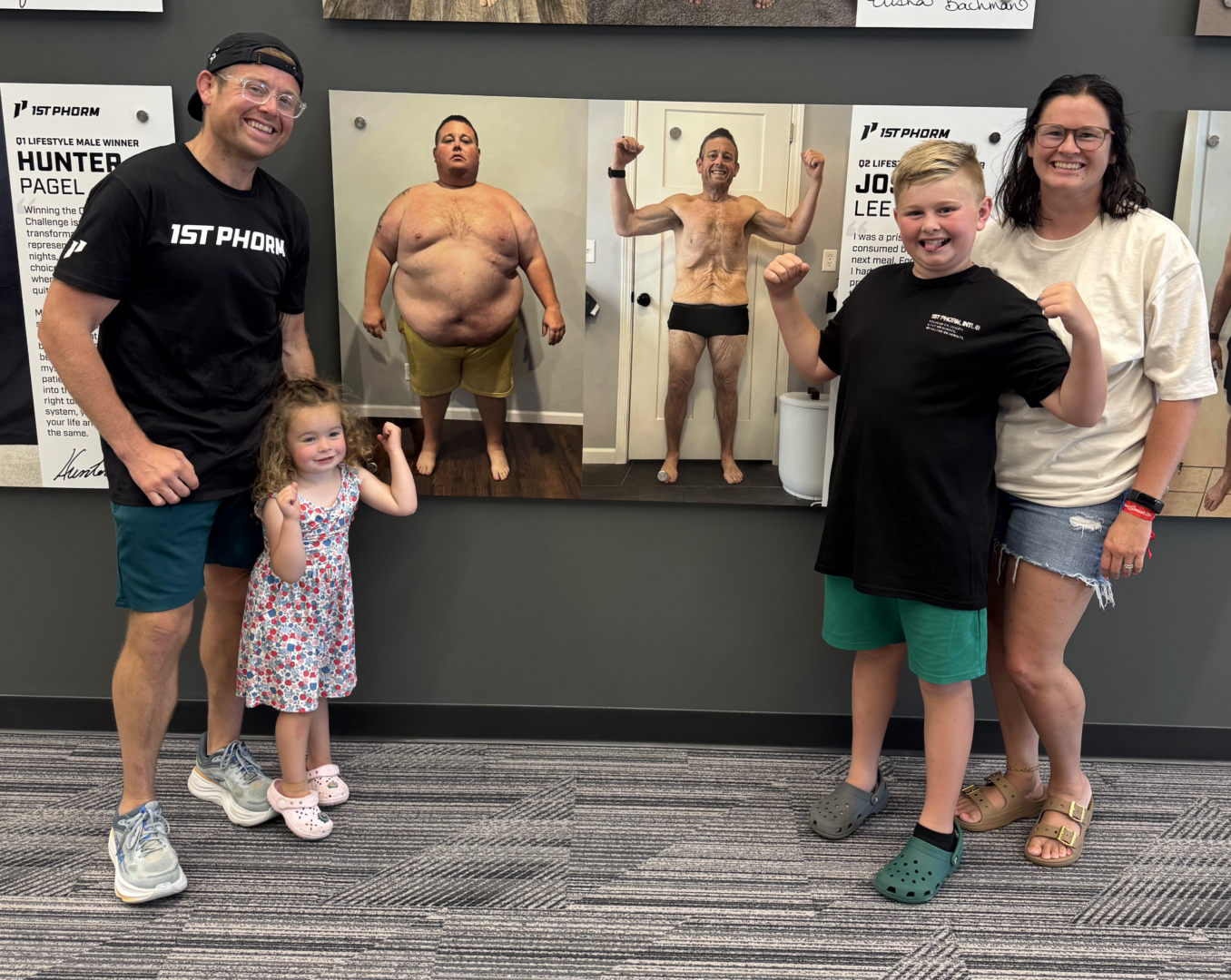
Through consistency, discipline, and a commitment to changing his relationship with food, Josh lost more than 280 pounds and transformed not only his health, but also his outlook on life, family, and funeral service. We wanted to share his journey because we believe it offers inspiration and encouragement to anyone striving to make a positive change in their own life. Josh’s story is a powerful example of what can happen when funeral director wellness becomes a priority instead of an afterthought.
For readers who may not know your story, can you share the moment that made you decide to completely transform your health and your life?
Following high school, I always kind of struggled with weight. I was pretty active in high school, and then the activity pretty much stopped once I went to college.
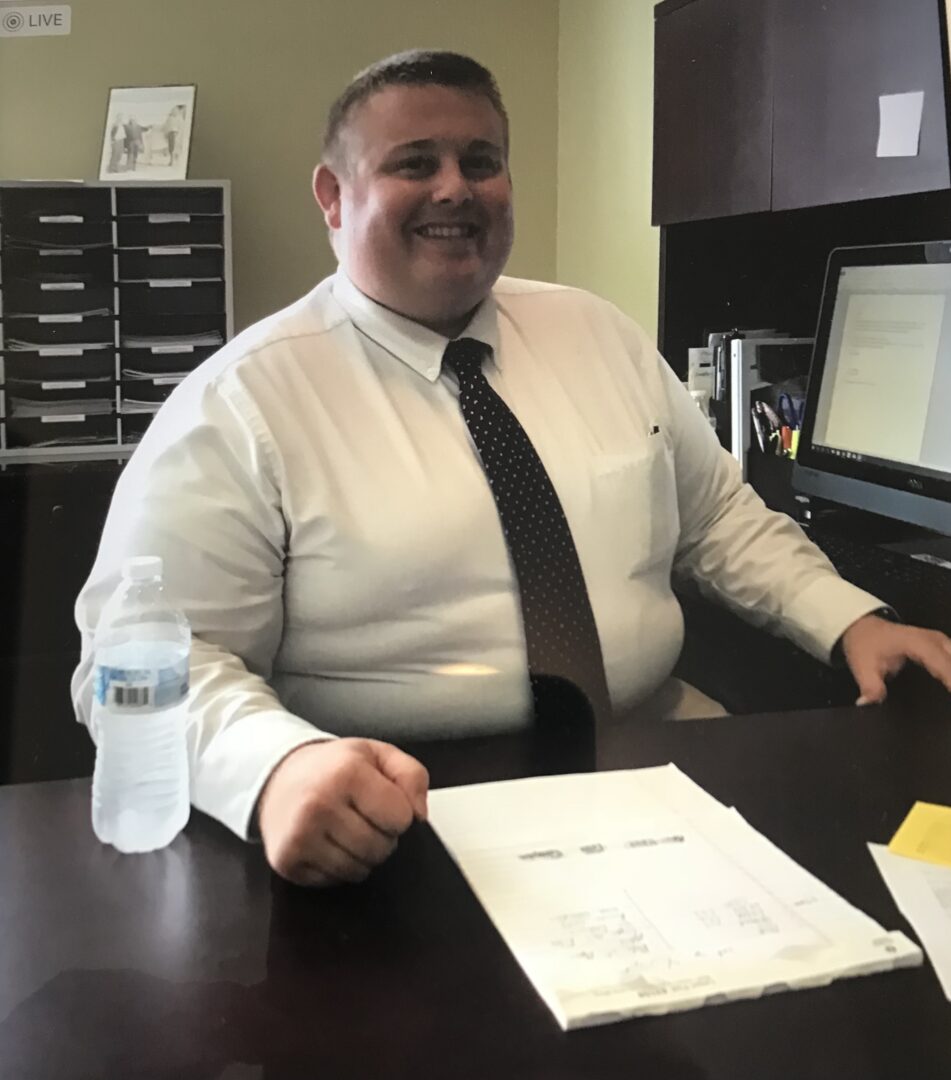
From age 18 to 37, I went from roughly 180 pounds to eventually hitting the scale at 435 pounds. That was the biggest number I saw on October 6, 2023.
At that time, we were getting ready to go on fall break. My daughter had just been born, and I thought I would become a little healthier and work out for a couple of weeks, then let loose again once fall break arrived.
My struggles are with my relationship with food. I would say I’m addicted to food. I don’t know when to stop eating.
I was planning a little crash diet and had been walking for a few days and working out with my cousin. One day, I was leaving my house, and my son, who was seven at the time, looked at me and said:
“Dad, I don’t know why you’re trying. You’ve been big my entire life.”
That moment rocked my world.
As a parent, we’re supposed to protect our children and show them the right way. What I was showing my son was that change can’t happen—that your cards are your cards and that’s all you get.
I felt like I had failed him his entire life in that moment and decided that I would actually try.
I drew a line in the sand that day, and I have never turned back.
I had 86 straight weeks of weight loss. I lost 200 pounds in the first year and I’m down around 280 pounds altogether as of now.
No medical intervention, no shots, no surgery, no pills. Just being mindful of what I was eating and very slowly moving my body, which eventually led to running.
Losing 200 pounds in a year is incredible. Did you follow a specific diet plan?
I come from a wrestling background, so my version of a diet was essentially crash dieting, starving yourself, losing water weight, and then ballooning back up.
I had to completely change how I thought about food.
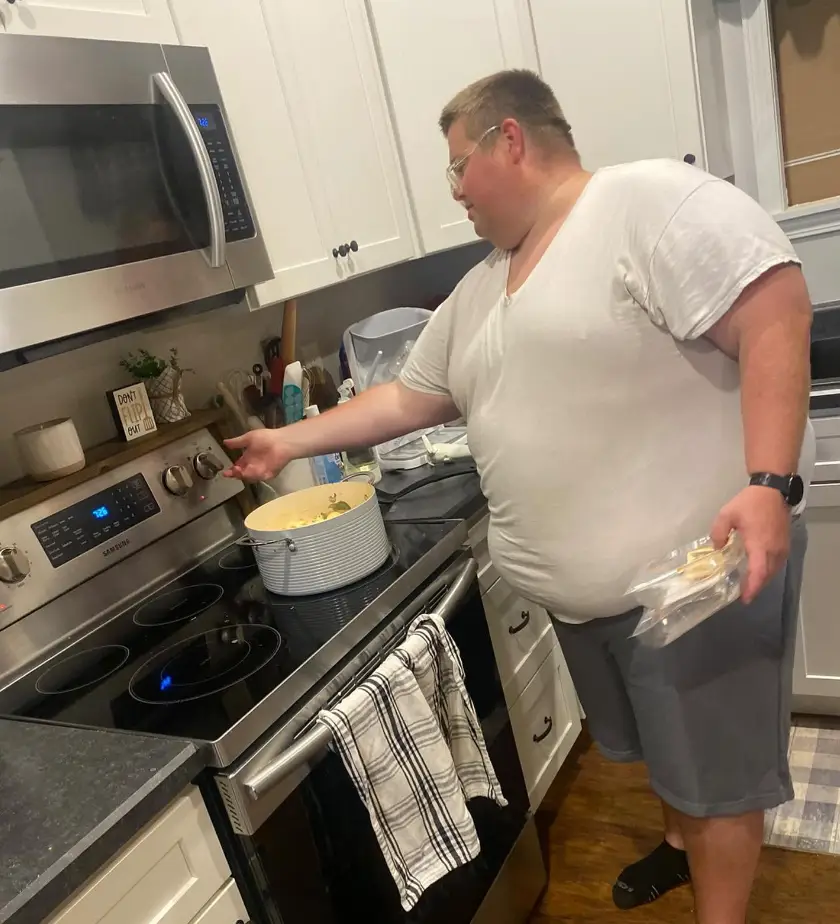
Being an addict, I knew my issue wasn’t the weight itself—it was my relationship with food. That’s one reason I didn’t pursue shots or surgery. I knew I would gain the weight back because the underlying issue wasn’t being addressed.
I started counting macronutrients. I allocated a certain amount of protein, carbs, and fats each day. I meal-prepped every meal, stopped eating out, weighed all my food on a scale, and knew down to the gram exactly how much food I was getting.
At first, it took a lot of effort, but once you get used to it, it becomes routine.
For the first three months, I focused almost entirely on nutrition. I walked, but exercise wasn’t really the priority. I needed to retrain my brain and my relationship with food before adding more exercise.
Were you a runner before your weight-loss journey?
No. I hated running.
Running was always punishment in wrestling and football.
One reason I eventually started running was because I wanted to continue putting myself in difficult situations to strengthen my mind.
Running was something I absolutely hated, but once I finished, I loved how it made me feel.
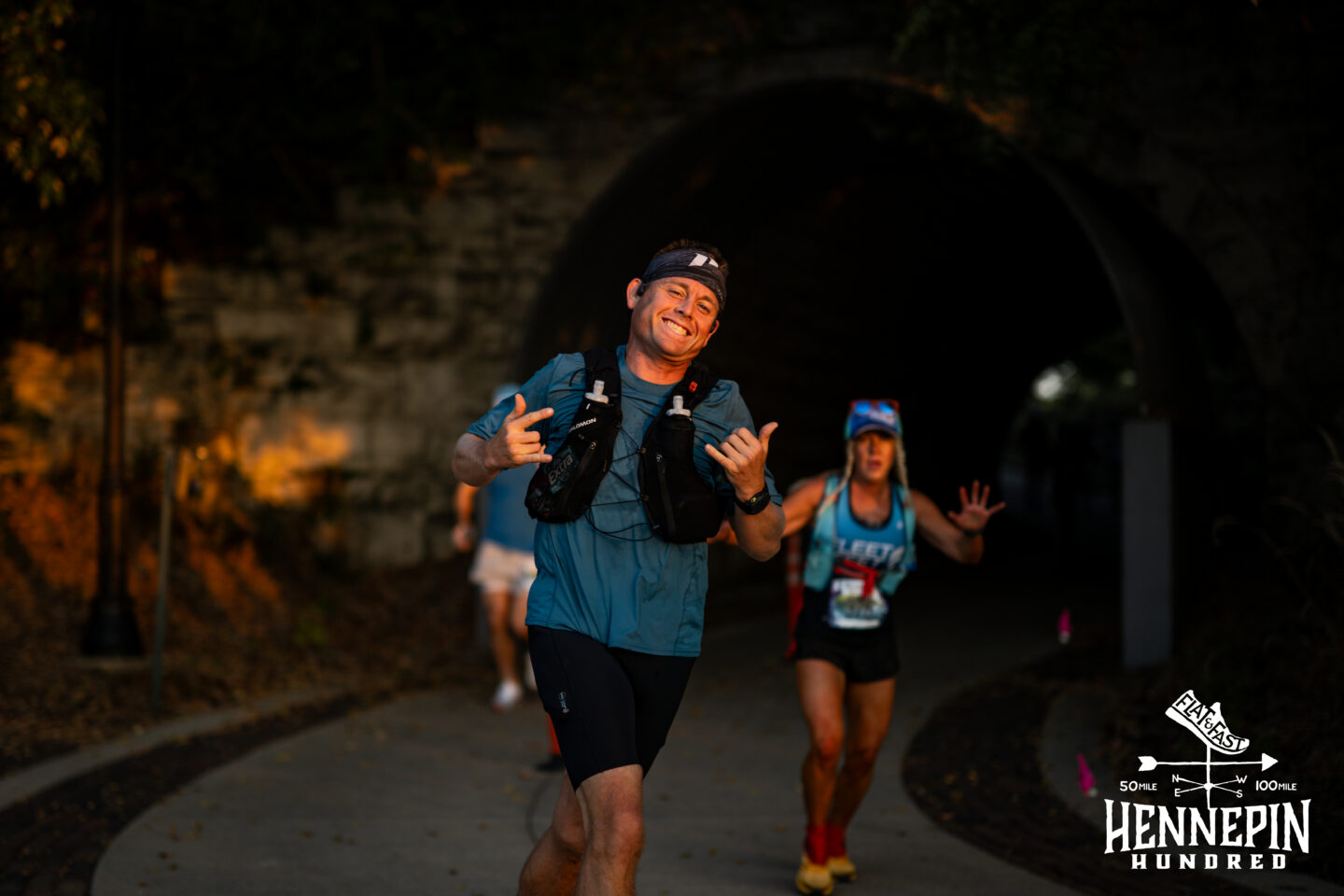
Even today, I enjoy running, but it’s not like I wake up excited to go run. The way I feel during and after a run is hard to describe. It’s almost like a high.
It’s also one of the best ways I’ve found to manage my addiction to food because it gives me a healthy outlet.
What was it like working as a funeral director before and during your transformation?
Growing up, the person I looked up to most was my grandfather. He struggled with weight as well, but he was an excellent provider.
So my idea of being a good father or man was being a good provider.
In the funeral profession, I went all-in on serving families. I worked 12- to 16-hour days and did whatever people needed.
Physically, though, I was in a prison inside my own body.
In the mornings, when I put my suit on, my son would help me put my socks on because my stomach was so large I couldn’t bend over without gasping for air.
Every day, I was simply trying to survive physically.
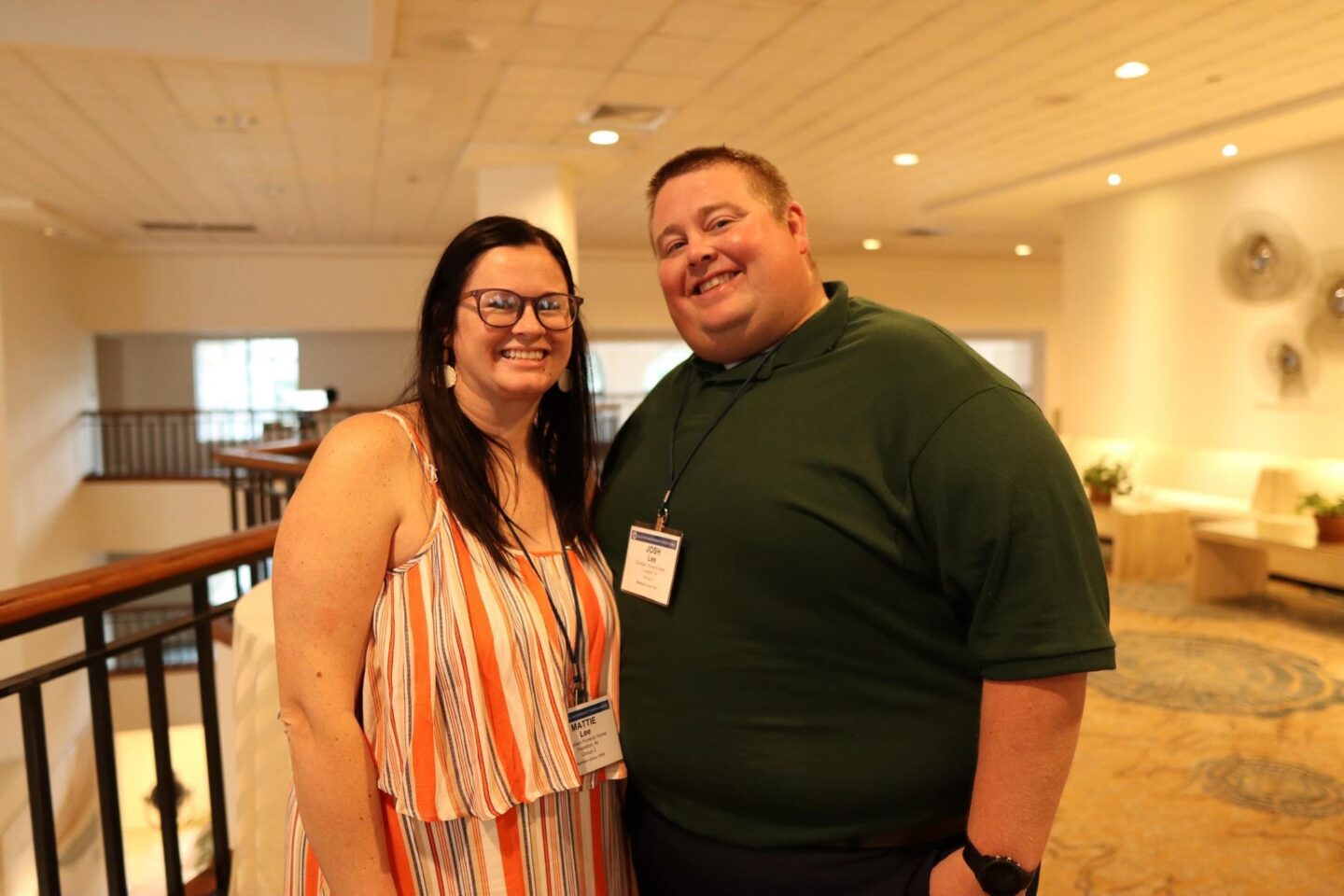
Mentally and emotionally, I was able to care for families, but my release was food. Stopping for fast food on the way home or eating whatever my wife made brought me more enjoyment than spending time with my own family.
Outside of serving families, the next thing I looked forward to was food.
Being a funeral director while carrying that much weight was difficult. You stand out. People make comments.
I remember one elderly gentleman in our chapel. The sun was coming through the windows, and as I walked toward the casket, my shadow covered the entire casket.
He looked over and said:
“Holy cow, look at the shadow that guy casts.”
You would think moments like that—or the birth of my daughter—would have been enough to make me change. But they weren’t.
Many funeral professionals struggle with stress-related habits and addictions. What advice would you give someone who wants to make a major life change but doesn’t know where to start?
Funeral directors love hard. They carry other people’s grief on their shoulders.
Everyone eventually develops some type of outlet, and sadly it’s often a negative one—food, alcohol, drugs, infidelity.
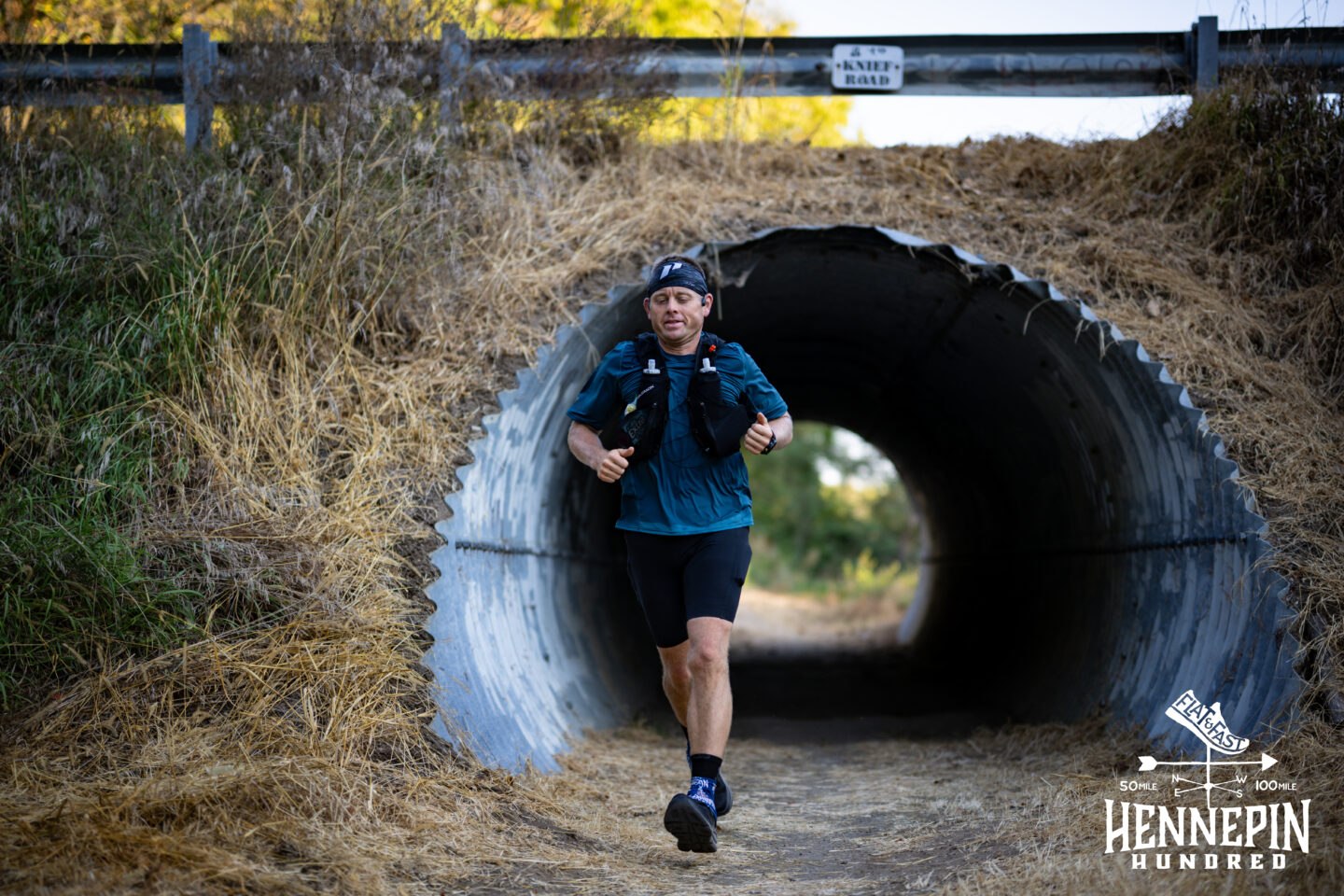
The biggest thing is that you simply have to start.
When the pain of staying the same becomes greater than the pain of changing, you’ll at least try.
Then you need to find a positive release. Whether that’s exercise, reading, puzzles, or something else, it needs to be positive rather than destructive.
Walking changed my life.
For a year and a half, I mostly walked. It started with walking to my mailbox, which was only about 30 or 40 feet away. Then I went a little farther each day.
Walking is incredible for your heart, blood flow, and mental health. It doesn’t put a lot of strain on your body.
The other thing is community.
You need people who will hold you accountable when you don’t want to keep going and who will cheer for you on the bad days.
Those two things—a positive outlet and a support system—are huge catalysts for change.
Did you feel supported by your coworkers during your journey?
Absolutely.
My coworkers were very mindful as I started building healthier habits. Eventually, they were just shocked by how quickly the physical changes happened.
But sometimes you have to create boundaries.
For me, that meant no longer going out to lunch with coworkers because food was my issue.
I had to make sacrifices to get the changes I wanted.
I never envisioned the end result because it felt so far away. I just focused on making the next right decision.
For the first time in my life, I had to put myself first. I had always put my family or my job first, and it led me down a very unhealthy road.
One thing that stood out in your social media posts was your message about empathy for people living in larger bodies. Why is that important to you?
I try to be an advocate because nobody wants to be that big.
Nobody chooses to weigh 435 pounds and be unable to put on their own socks.
If people could flip a switch and become a healthier version of themselves, they would.
Unless you’ve been a person of size, it’s hard to understand what it’s like. You’re literally a prisoner in your own body trying to do things that most people take for granted.
Getting in and out of a car. Lifting a casket with pallbearers. Walking and breathing at the same time.
All of those simple tasks become much harder.
I share my journey because I hope it helps people understand and become less judgmental.
It’s easy to look at someone and assume they’re lazy, but nobody chooses that.
How has this transformation affected your children?
It’ll be three years this October.
Before I started, a fun activity with my son was getting two or three large pizzas, staying up until two or three in the morning, watching Netflix, eating chips, and drinking Coke.
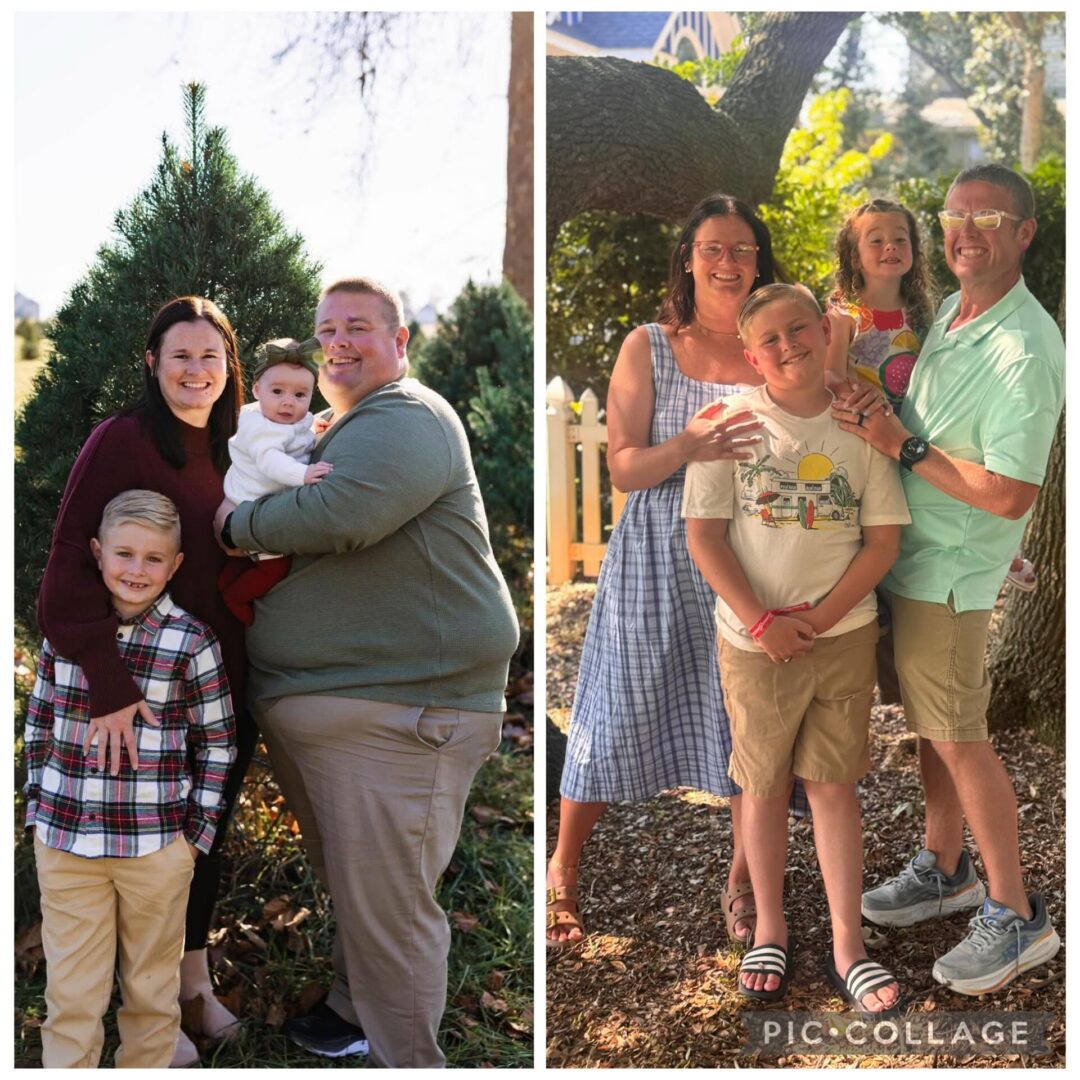
Now, a fun activity is going outside, walking, jumping on the trampoline, or going for bike rides.
Children are always watching, even when you don’t think they are.
My son doesn’t enjoy running at all, but he’s going to try out for cross country this year because he’s seen the impact running has had on my life.
Moments like that are really special because they show that there’s hope for the future.
What’s the biggest lesson you’ve learned through this journey?
Consistency.
Nothing happens overnight.
In the short term, those small consistent days feel like nothing is happening.
But in two years, I went from not being able to put on my own socks to running 100 miles in under 22 hours.
That’s what small, consistent change can do.
Another lesson I’ve learned is that you can control two things: your effort and your attitude.
Whether it’s raining, windy, or life isn’t going your way, it’s easy to become negative.
But if you maintain a positive attitude and give your best effort, the rest is what it is.
You can control those two things in work, at home, in training—everywhere.
Just try to be a positive influence and do your best.
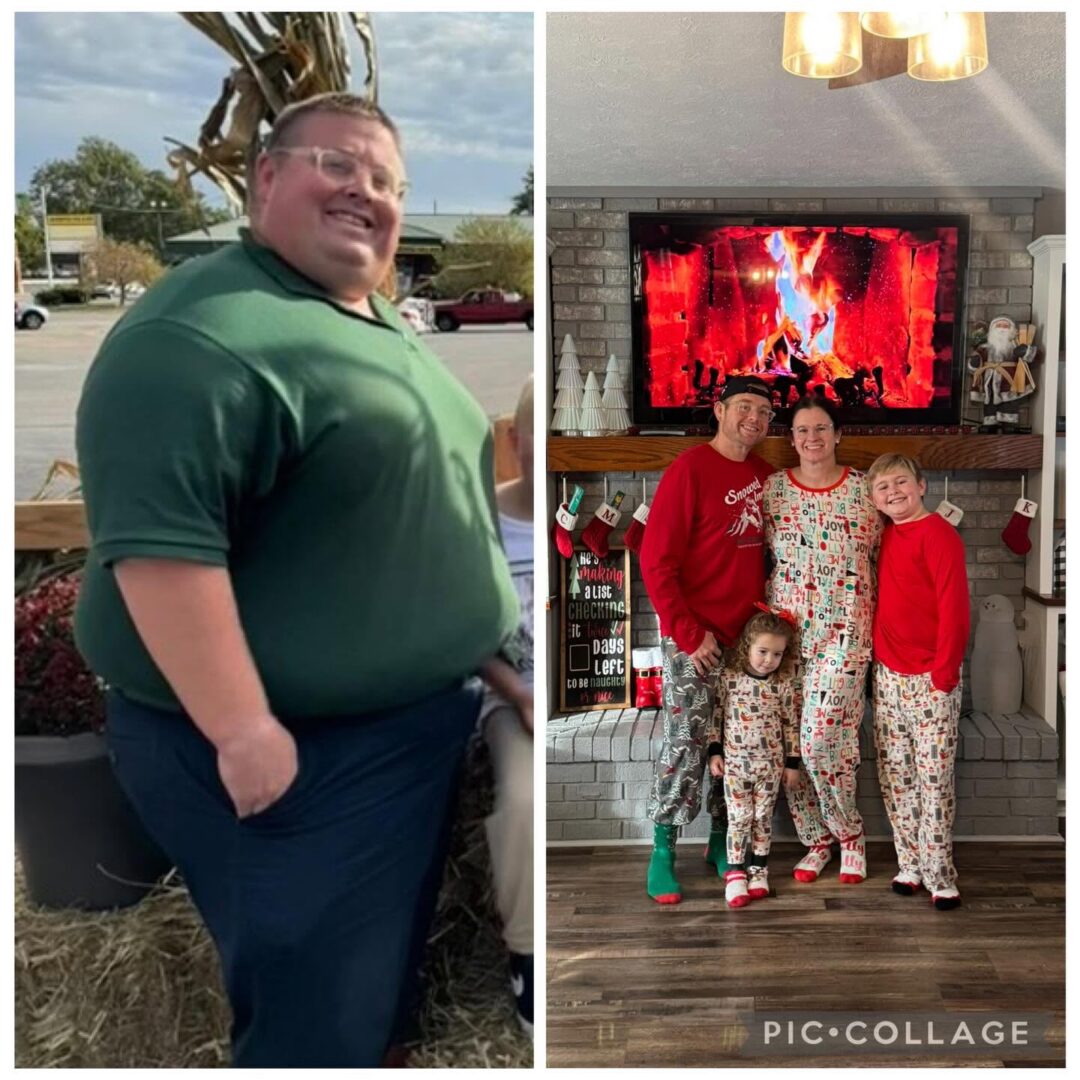
While every health journey looks different, Josh’s experience serves as an important reminder that funeral director wellness isn’t just about physical fitness—it’s about creating the habits, mindset, and support system needed to live a healthier and more fulfilling life.
Related Reading
9 Fitness-Focused Health Tips for Funeral Directors
6 Resources to Keep You From Breaking Down While Working as a Funeral Director
ASD Ironman Team Takes on Triathlon to Benefit Funeral Service Foundation