
Sometimes one simple sentence can change how a person feels about what comes next. When families call a funeral home, they may have a lot of questions. Sometimes the first one is simply, “Is someone there?” Other questions come later: Can my brother join the service from across the country? Is it okay to text the funeral director? What can we do with the cremated remains? Families may not know every option to ask about, especially when they’re trying to make decisions while grieving.
After more than 50 years handling funeral home calls, ASD knows how much it can mean to hear, “Yes, we can help with that.” When families call a funeral home, a little patience and a willingness to explain what’s possible can make the next steps feel less daunting. It also means recognizing that every family is different—and being open to changing familiar routines when a new approach better fits the people in front of you. Read on for a few simple ways to meet families where they are today, even when that means rethinking “we’ve always done it this way.”

1. “You can call us any time, day or night.”
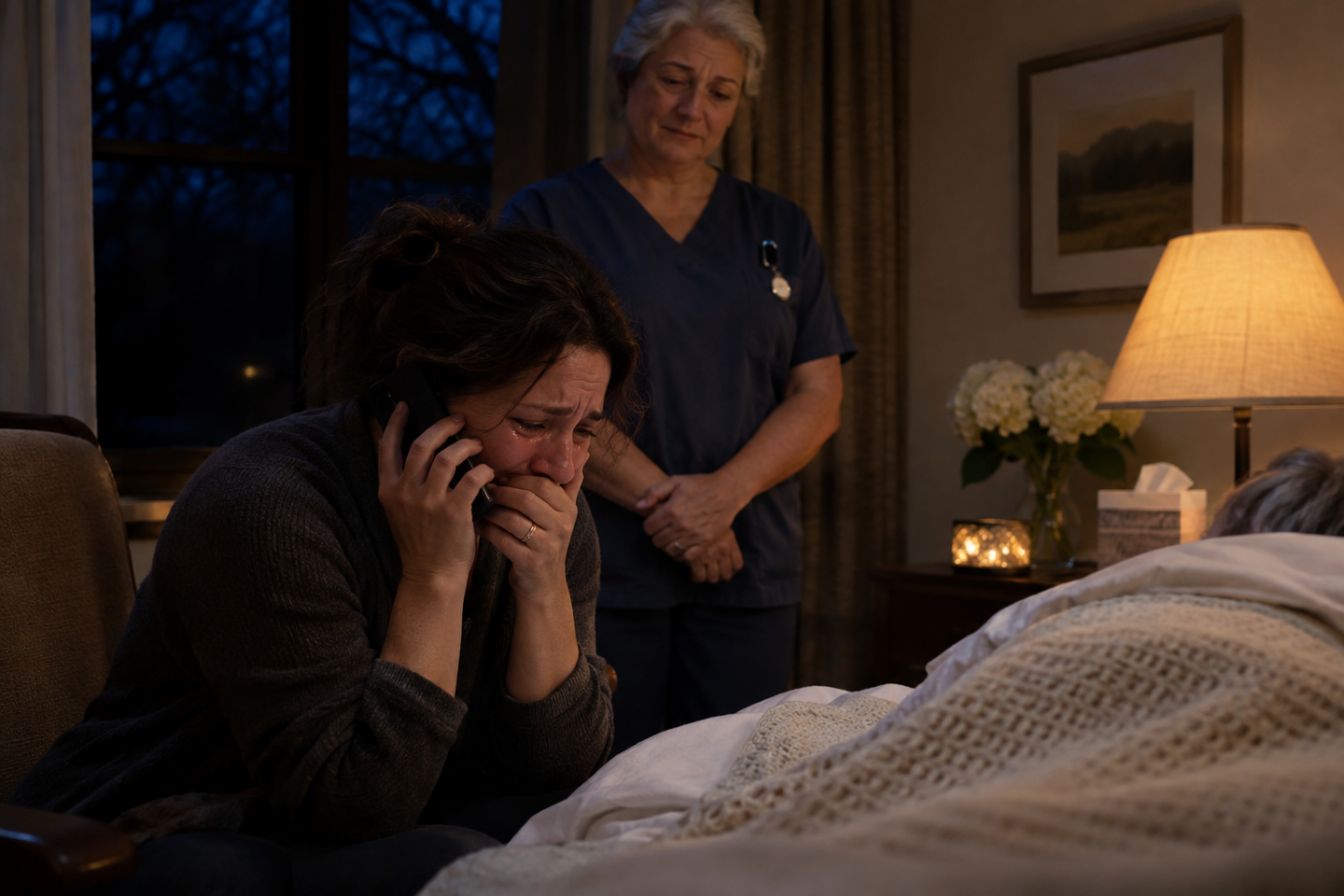
You may be surprised by how many people call a funeral home in the middle of the night to report a loved one’s passing and expect to hear an answering machine. You can hear the relief in their voice when they realize they’re speaking with a real person. That reassurance can mean even more when someone passes away at home rather than in a care facility. The fear that no one will be able to help at that time of day is very real and hearing a caring voice on the line can ease some of that worry.
When speaking with families who are preplanning—especially when someone they love is nearing the end of life—let them know they’ll be able to reach someone whenever they need to call. Make this clear on your website and in your marketing, too. Knowing there will always be a person on the other end of the line can offer a great deal of peace of mind, and it reflects something special about funeral service: when families are facing one of life’s hardest moments, they deserve to feel that they matter.
2. “We can help loved ones join the service from wherever they are.”
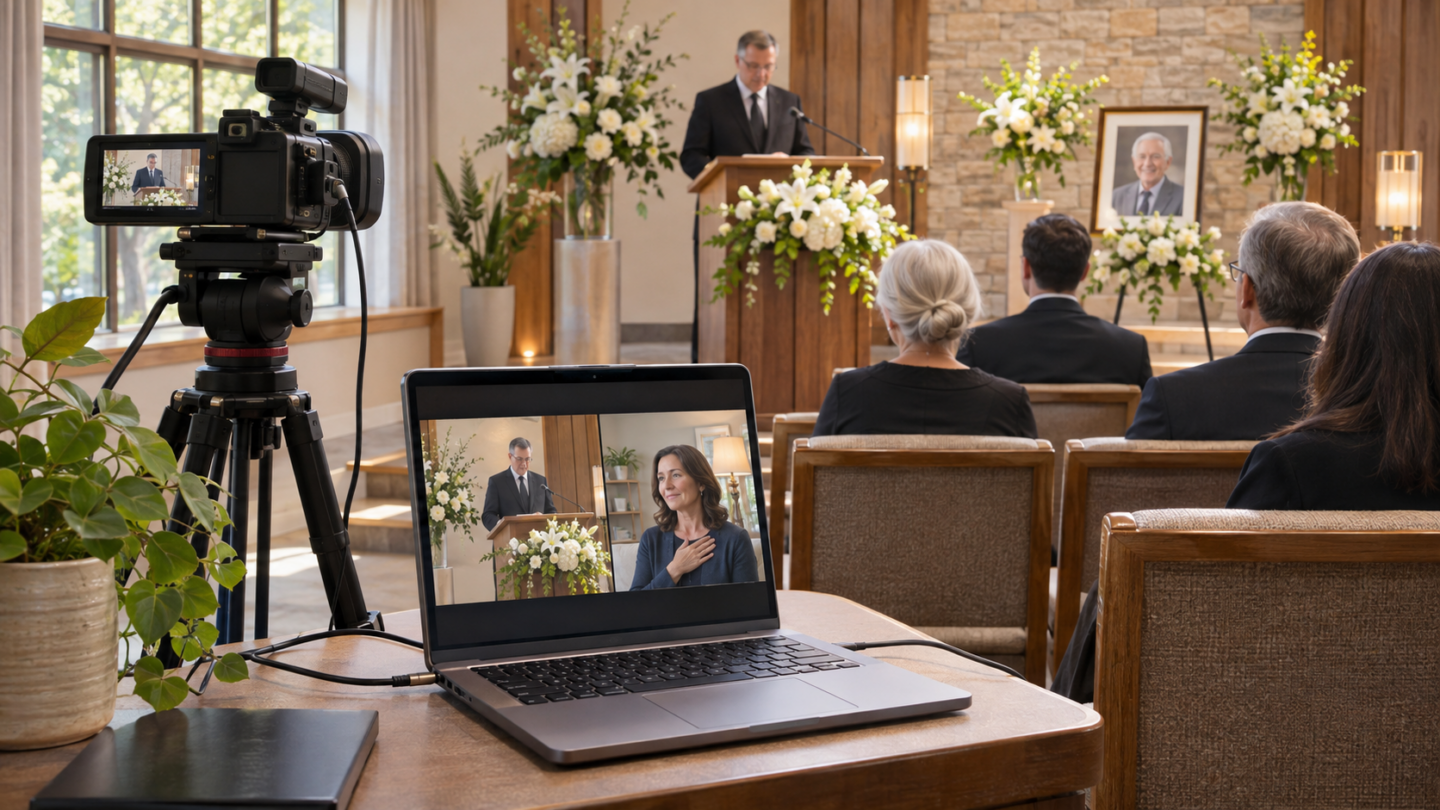
If your funeral home is not offering live-streaming in 2026, it may be time to reconsider. Bringing a large group of people together in one room isn’t as simple as it used to be. Loved ones may live far away, have work or family responsibilities, or be unable to travel for health or other reasons. But not being able to attend in person shouldn’t mean missing the chance to say goodbye. Livestreaming gives more people the opportunity to be part of the service and support one another, wherever they may be. This is often a big concern for families and having a livestreaming solution in place ensures you will be able to confidently assure them you can meet their needs.
3. “You can use text messaging to communicate with your funeral director.”
Every time ASD publishes something about why funeral directors should be open to texting with families, we hear from at least one director who proudly says he hates texting and will never use it to communicate with families—you know who you are! And that’s certainly your choice. But consider how that message might land with a working parent planning a service for an in-law while caring for their family and juggling a full-time job. Some families will appreciate a personal phone call; others will appreciate the convenience of being able to text a question or share information when it works for them.
As a millennial, if I were planning a funeral and learned I couldn’t text the director at all, I’d probably consider calling another funeral home—or at least be tempted to mention it in a Google review. However, it’s not just my generation—statistics show that a quarter of all Baby Boomers and more than half of Gen X-ers prefer text messaging over other forms of communication. It’s about meeting families where they are and giving them a choice in how they communicate. Maybe texting isn’t your preferred way to stay in touch, and that’s fine. But offering it as an option can make it easier for busy families to get the answers and support they need. You don’t have to give up the personal approach that matters to you; a thoughtful text can be part of it.

4. “We can help you decide what to do with your loved one’s cremated remains.”
When families ask what they should do with a loved one’s cremated remains, it’s important to remember there isn’t one right answer. Families may not realize how many options are available and recommending just one can unintentionally suggest that every person should be memorialized in the same way. A permanent monument may feel right to one family, while a loved one who valued leaving a light footprint might have preferred to have their remains scattered. Religious beliefs, family traditions and personal wishes can all shape what feels meaningful.
The best place to start is by learning what matters to the family, then helping them explore the choices that fit. Those might include keeping the remains close, placing them in a cemetery, sharing them among family members or choosing a form of scattering such as land, sea or aerial scattering. By becoming familiar with the options and guiding families without steering them toward your personal preference, you can help them find an approach that feels right for their loved one. Asking questions about what families plan to do with cremated remains during arrangement conferences and preplanning appoints is critical to demonstrating your willingness to help with this process. Families are reassured right from the start that they won’t be left to navigate this on their own.

5. “The service can reflect the person you’re remembering in any way that feels right for your family.”
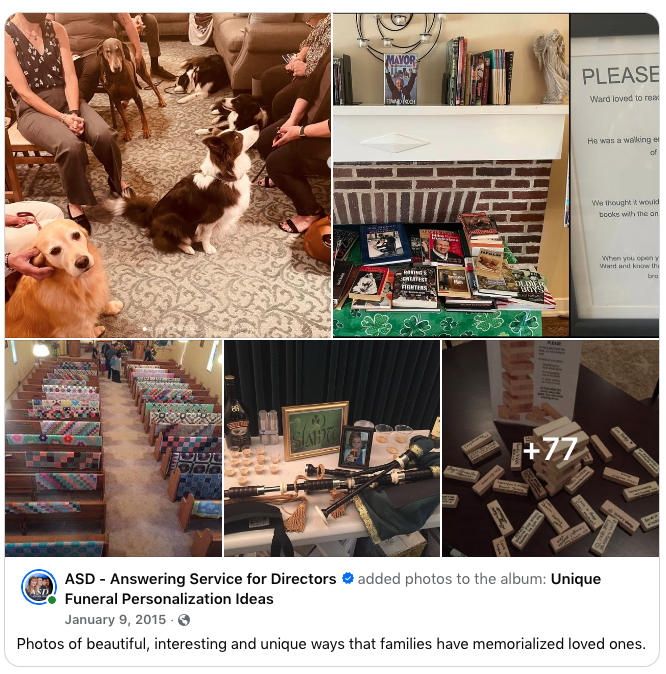
Invite families to share the music, stories, traditions and personal touches that matter to them. Don’t dismiss an idea just because it feels outside the norm, secular or nontraditional. We’ve seen funeral homes help arrange for a casket to be carried in a farmer’s tractor or invite people to bring dogs to attend a service for a beloved dog trainer. The key to going above and beyond is making families feel comfortable enough to ask if what they want is possible. When a family shares an unusual idea, get curious before you decide whether it can work. Ask what makes it meaningful to them, then help explore how to make it happen. The most memorable tributes don’t have to follow a familiar script; they just need to feel true to the person and bring comfort to the people saying goodbye.
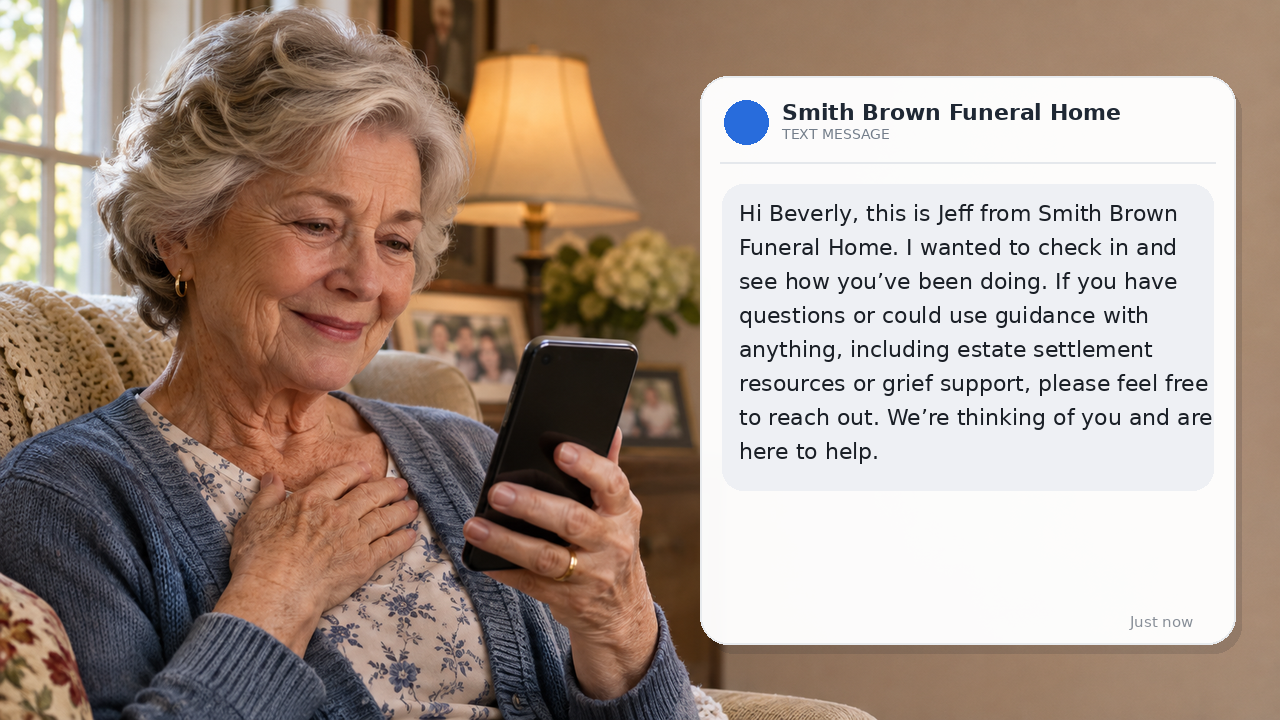
7. “We can provide you with guidance to help you with the next steps after the service is over”
Traditionally, most families have only interacted with a funeral director during the brief period between the death of a loved one and the funeral service. Today, however, many funeral homes are changing that pattern by offering ongoing support long after the service has ended. It’s important to communicate this to families early on, especially during a time when grief can make it difficult to process information and the thought of navigating everything alone may feel overwhelming. Whether it’s connecting families with grief support, helping them find estate settlement resources, or guiding them through the process of accessing veterans’ benefits, there are countless ways funeral directors can continue to be a valuable source of support in the weeks and months following a loss.
Final Thoughts
At ASD, we know that when families call a funeral home after a death, they may be carrying a long list of questions: When can we hold the service? How many people will fit in the chapel? Are payment plans available? Is the cremation done onsite? Was everything prepaid? You may not always be able to give the answer they’re hoping for, and some details are outside your control. But you can make sure families know how you’ll communicate with them, what choices and support are available, and that you’ll work with them to find what feels right. That simple reassurance can go a long way to make a difficult moment feel a little less overwhelming.
Related Reading
7 ASD Features that Matter Most to Your Funeral Home Callers
Differentiating Your Funeral Home: 8 Unique Ways to Stand Out
7 Tips for Funeral Homes to Elevate Customer Service with Enhanced Communication
How Funeral Homes Support Grieving Families Year-Round (Not Just at Time of Loss)