Recently, I was enjoying my annual spooky season rewatch of the film Poltergeist (essential viewing this time of year) when something struck me. It was during the scene when Steve Freeling and his boss, Mr. Teague, are surveying a hillside and discussing plans for a future housing development.
“We own all the land. We have already made arrangements for relocating the cemetery,” Mr. Teague explains. When Steve balks at this, Mr. Teague goes on to say: “Oh, don’t worry about it. After all, it’s not ancient tribal burial ground. It’s just… people. Besides, we have done it before.”
The scene got me thinking about something that cemetery owners have to contend with every day: cemeteries require land, and land is a finite resource. As communities grow and undeveloped land becomes increasingly scarce, the pressure to make the most of every available acre continues to mount. Of course, relocating cemeteries to make room for new development isn’t exactly an ideal solution. And while Poltergeist may have exaggerated the consequences just a tad, I think we can all agree that having a bunch of angry ghosts terrorizing the neighborhood would be a pretty good reason to explore other options.
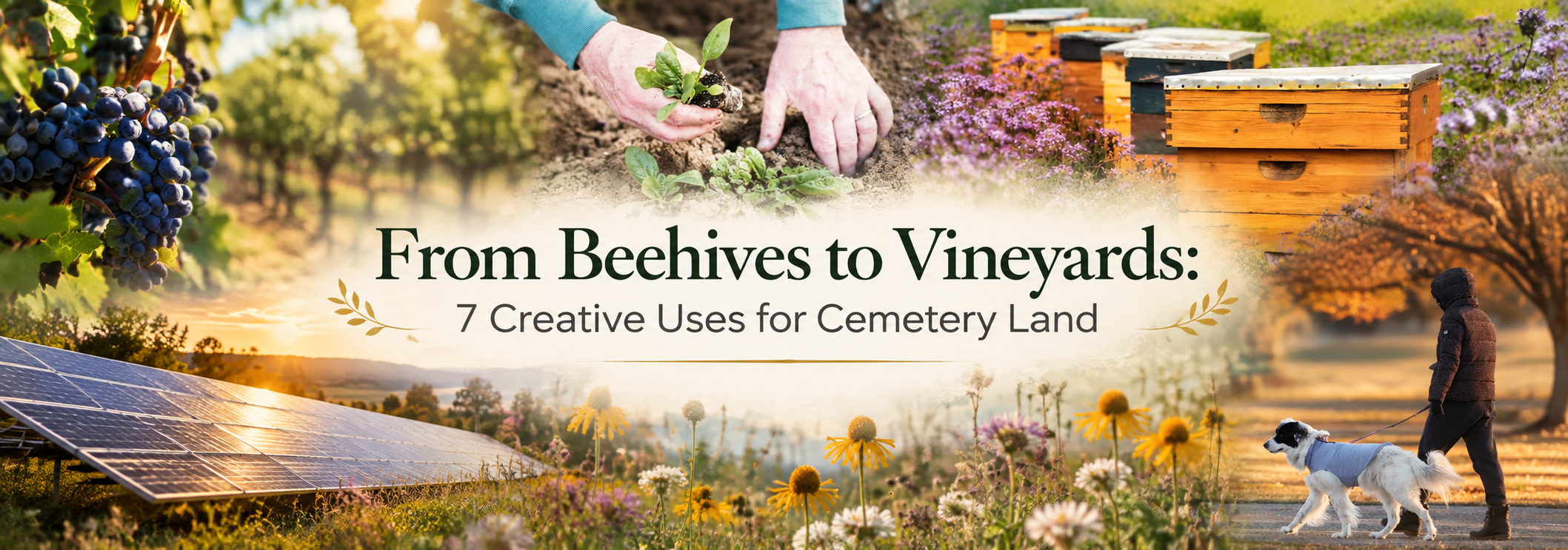
But what if cemetery land could serve more than one purpose without disturbing a single grave? What if the same grounds that provide a final resting place for the dead could also support wildlife, protect endangered resources, save energy or benefit the surrounding community in unexpected ways? As it turns out, some cemeteries are already doing exactly that. From burial grounds embracing rewilding and conservation to cemeteries finding innovative ways to address environmental challenges, here are some fascinating examples of how cemeteries are making their open spaces work a little harder while giving something back to the living.
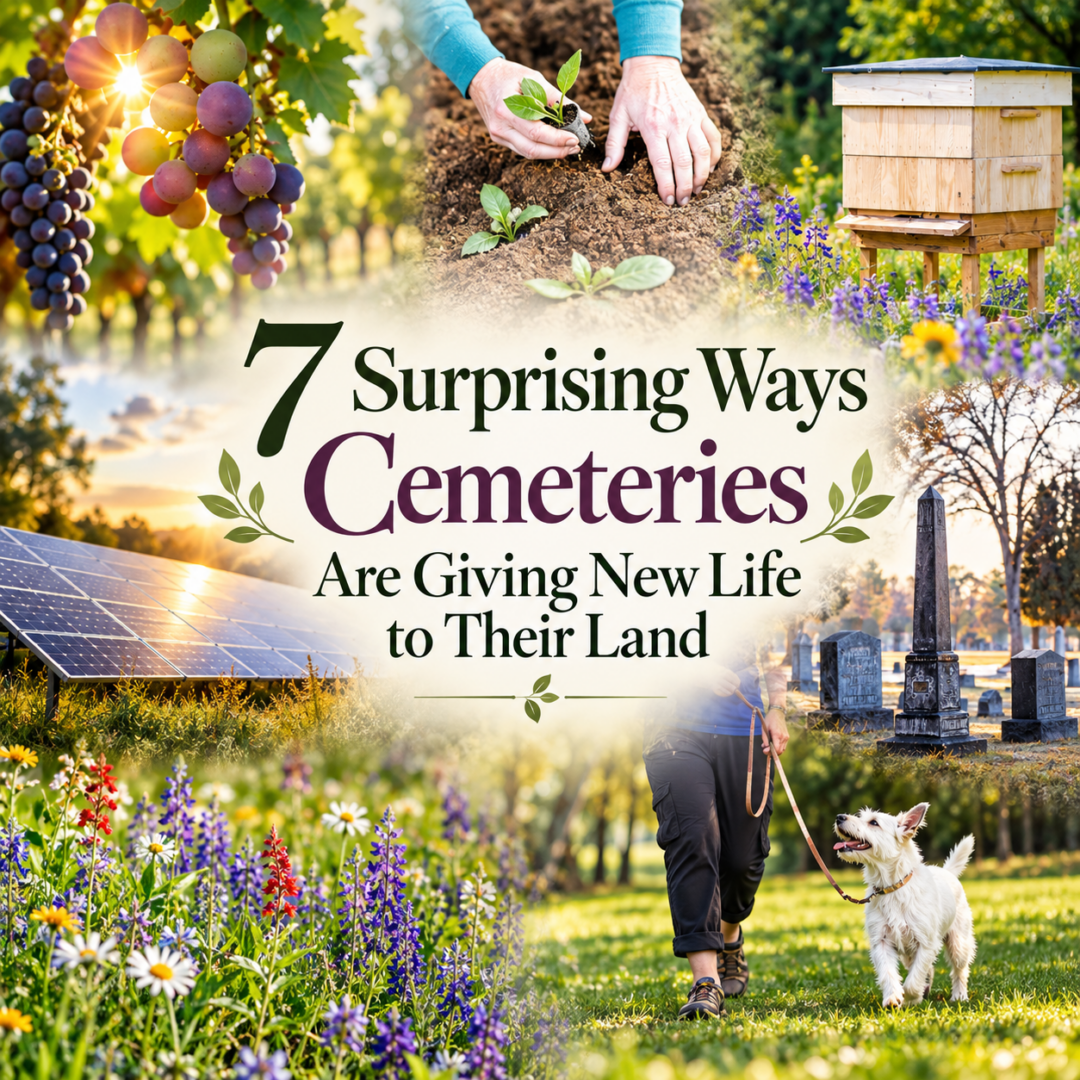
Before I continue, I’d like to add a little disclaimer here. While researching this article, I stumbled upon quite a few stories about cemeteries that attempted to repurpose some of their land and were met with community backlash. It’s important to keep in mind that cemetery owners must consider these types of plans very carefully. If a project or installation might make family members feel like their loved one’s final resting place is no longer sacred or aesthetically pleasing to visit, it can really cancel out the positive impact these initiatives have. That’s why the blog below provides a helpful template with some incredible examples of cemeteries that really got the formula right.
1. Fighting Water Scarcity
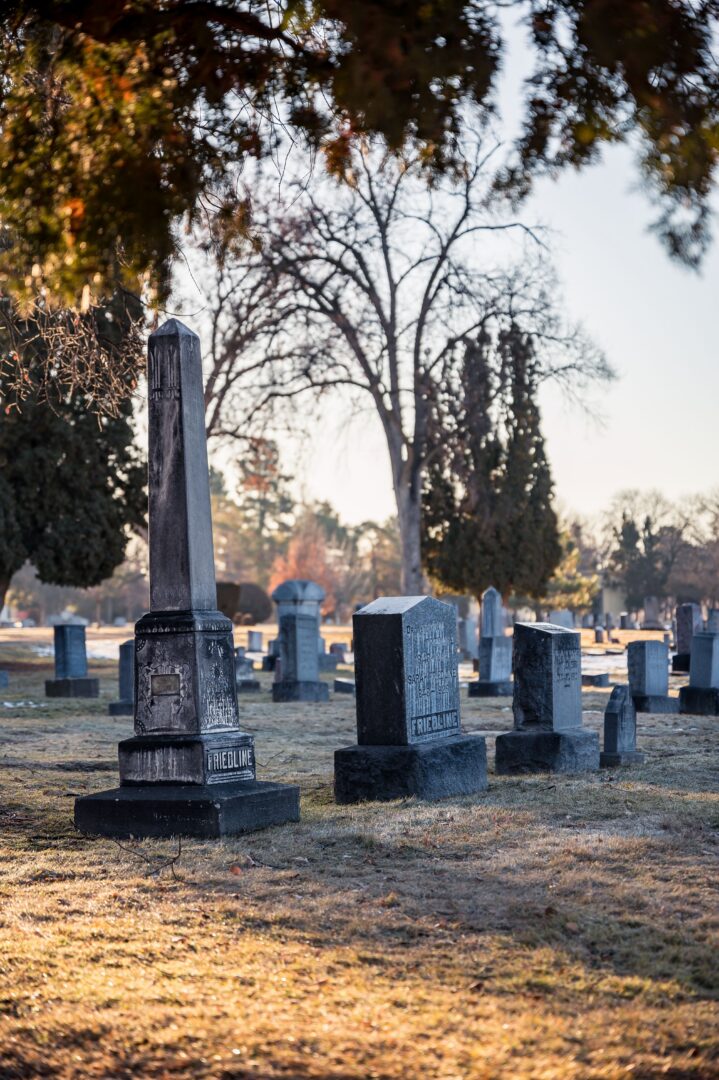
The catalyst for me creating this blog you are reading was this interesting article I recently stumbled upon about a unique plan Riverside Cemetery in Denver, CO has devised to battle water scarcity. The cemetery is partnering with engineering and environmental consulting firm to revitalize its grounds “using native plants and strategies that can succeed without the use of any irrigation.” I’ll admit I am no water conservation expert but learning about everything involved with this bold idea made my brain immediately think of the Mark Watney’s botanist character in The Martian figuring out how to grow potatoes on mars.
What is so fascinating about what this cemetery plans to do, beyond the obvious goal of improving their grounds for families visiting, is that they are providing the perfect space for these brilliant minds to conduct an experiment that could have a huge impact on other drought prone spaces. I also love how this bold project offers something for all involved. The cemetery benefits from improved aesthetics and reduced maintenance costs. The utility company benefits from less water consumption. And the consulting company Matrix benefits from learning the precise combination of seeds and soil treatments necessary to transform urban areas devoid of green spaces. The idea of a cemetery being a place where scientists discover new ways to grow life is pretty neat.
View this post on Instagram
2. Rewilding Land
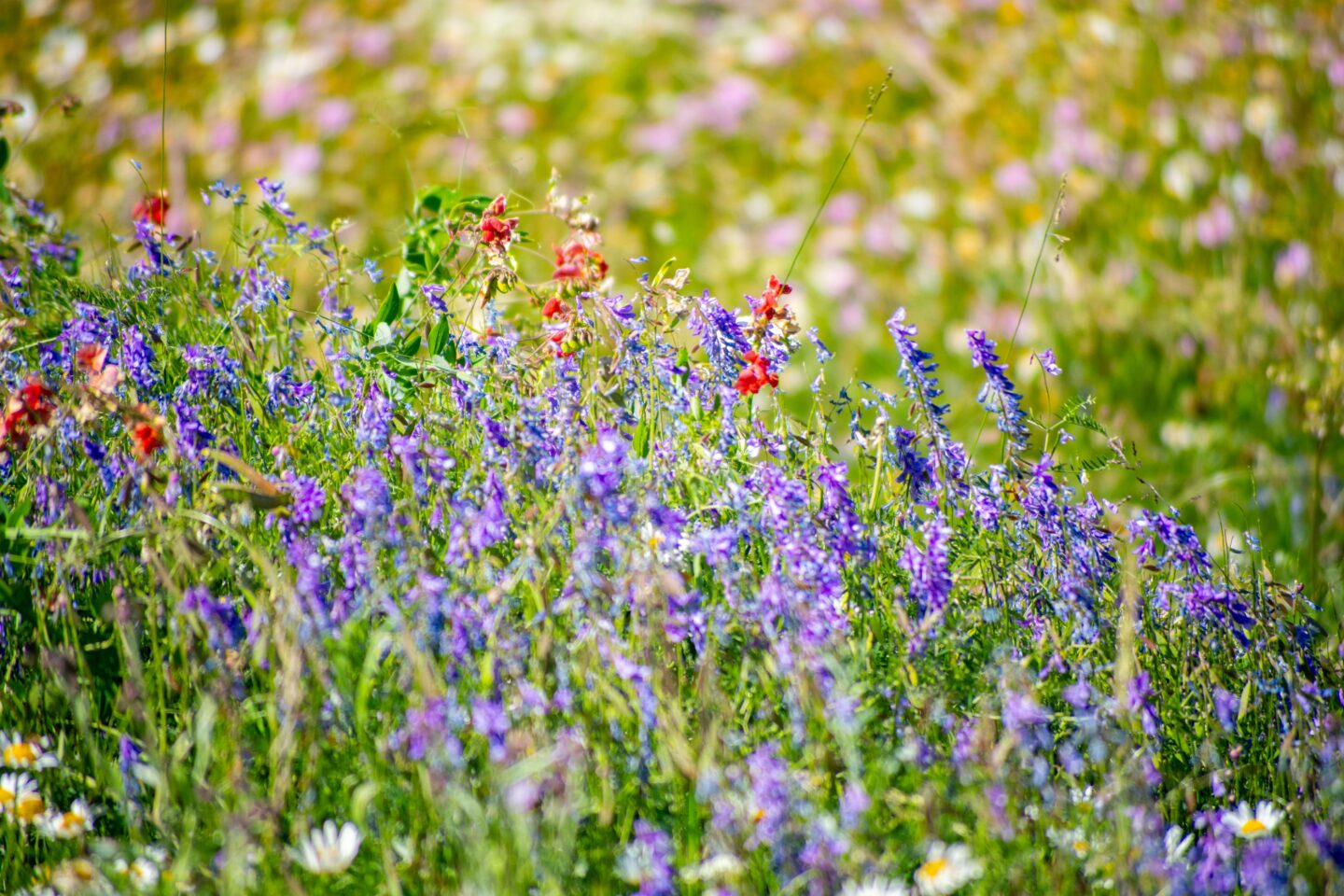
“Every green natural place we save saves a fragment of our sanity and gives us a little more hope that we have a future.”— Wallace Stegner
Cemeteries are rarely thought of as conservation spaces, even though they and their surrounding green spaces make up an estimated 2 million acres nationwide. That’s two million acres of land protected from urban development in perpetuity (for the most part, anyway). Today, many cemeteries across the country are exploring ways to give part of their land back to nature. By converting cemetery land into wildflower meadows and natural habitats, cemeteries can support biodiversity, provide much-needed refuge for pollinators and other wildlife, and reduce the time, labor and resources required to maintain perfectly manicured grounds. While some might argue cemeteries should preserve their traditional appearance of neatly trimmed lawns and carefully landscaped gardens, personally I think there is something especially fitting about allowing places dedicated to honoring life to also help sustain it.
One cemetery leading the way is Green-Wood Cemetery in Brooklyn, NY, which has transformed more than 30 acres of its historic grounds into pollinator-friendly meadows filled with native grasses and wildflowers. The cemetery is even experimenting with different plant combinations to find the perfect balance between supporting wildlife, reducing maintenance and keeping historic gravestones visible. Meanwhile, Mount Auburn Cemetery in Cambridge, MA, has undertaken several ambitious habitat restoration projects, including transforming 22,000 square feet along its Indian Ridge Path into meadowland and restoring a once-overgrown woodland known as Consecration Dell into a thriving habitat for birds, insects and other wildlife.
View this post on Instagram
3. Producing Renewable Energy
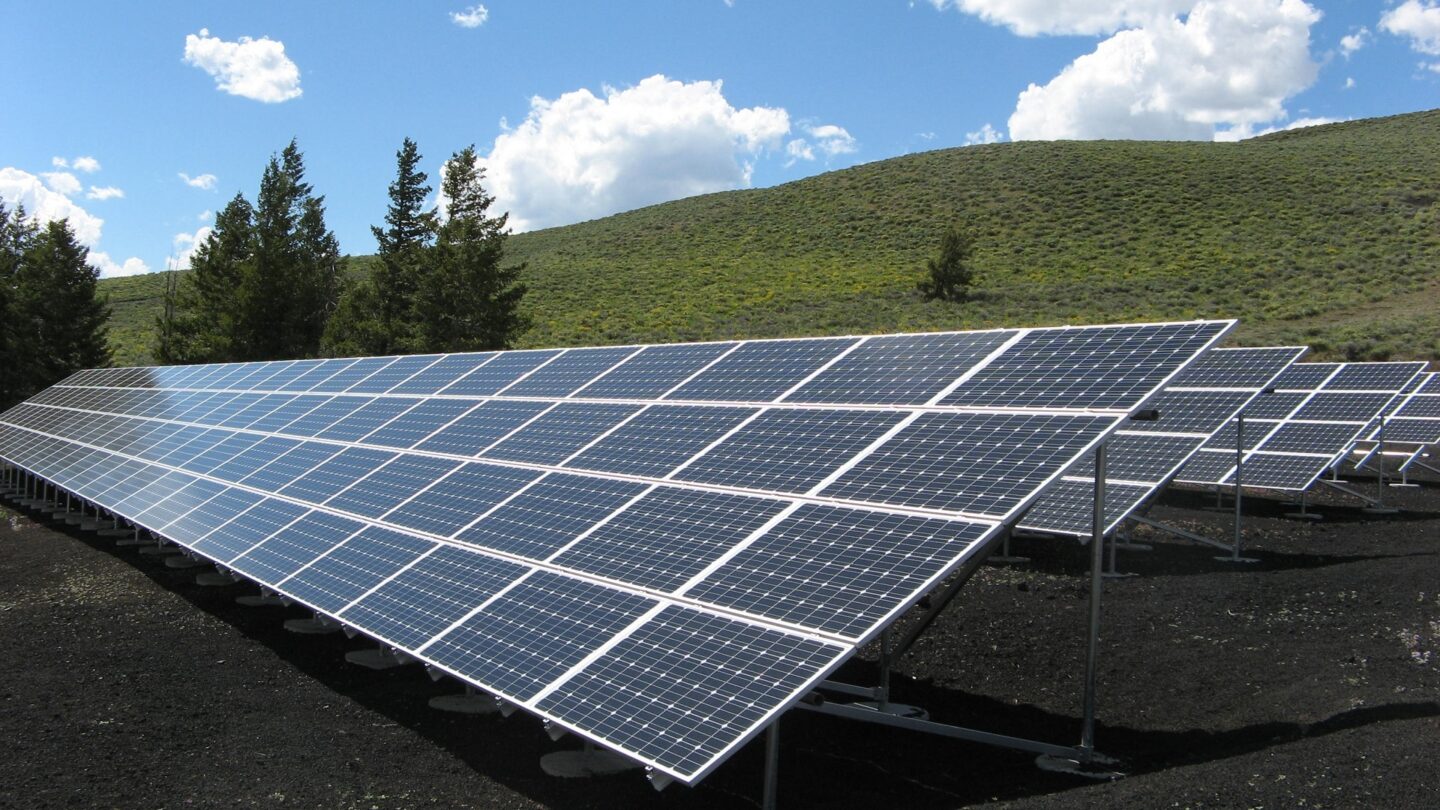
It’s an economic reality that cemeteries need funds to operate. This is especially true for older burial grounds that are no longer able to sell plots but still need funds for maintenance and security. In recent years, several cemeteries have opted to utilize unused space on their property to house solar arrays. While some cemeteries have used the energy produced to lower the cemetery’s own electricity bills, others feed directly into the local electricity grid through lease agreements with clean energy companies. What all of these projects have in common is the thought and consideration devoted towards selecting a site that would not interfere with the aesthetics of the cemetery or cause any unrest in the community.
For instance, when the Catholic Cemeteries Association of the Archdiocese of Hartford chose to partner with to build a 7,000 solar panel array, they were careful to select a sight far away from any existing headstones. The array is built on an isolated, 12-acre buffer parcel that the cemetery association realized would not be used as burial space anytime in the near future. Similarly, at New Mount Sinai Cemetery in St. Louis, MO, the much smaller solar array was built out of sight behind an old mausoleum. Finally, in Pearl City, HI, residents championed the idea of installing a 5-acre solar farm solar Sunset Memorial Cemetery because the graveyard had fallen into a state of neglect and was frequently a target for vandals. By adding solar panels to the property and selling the generated electricity, the community hopes to pay for the cemetery’s upkeep and install necessary security. In this case, solar panels are helping to save a cemetery from becoming abandoned.
4. Making Wine
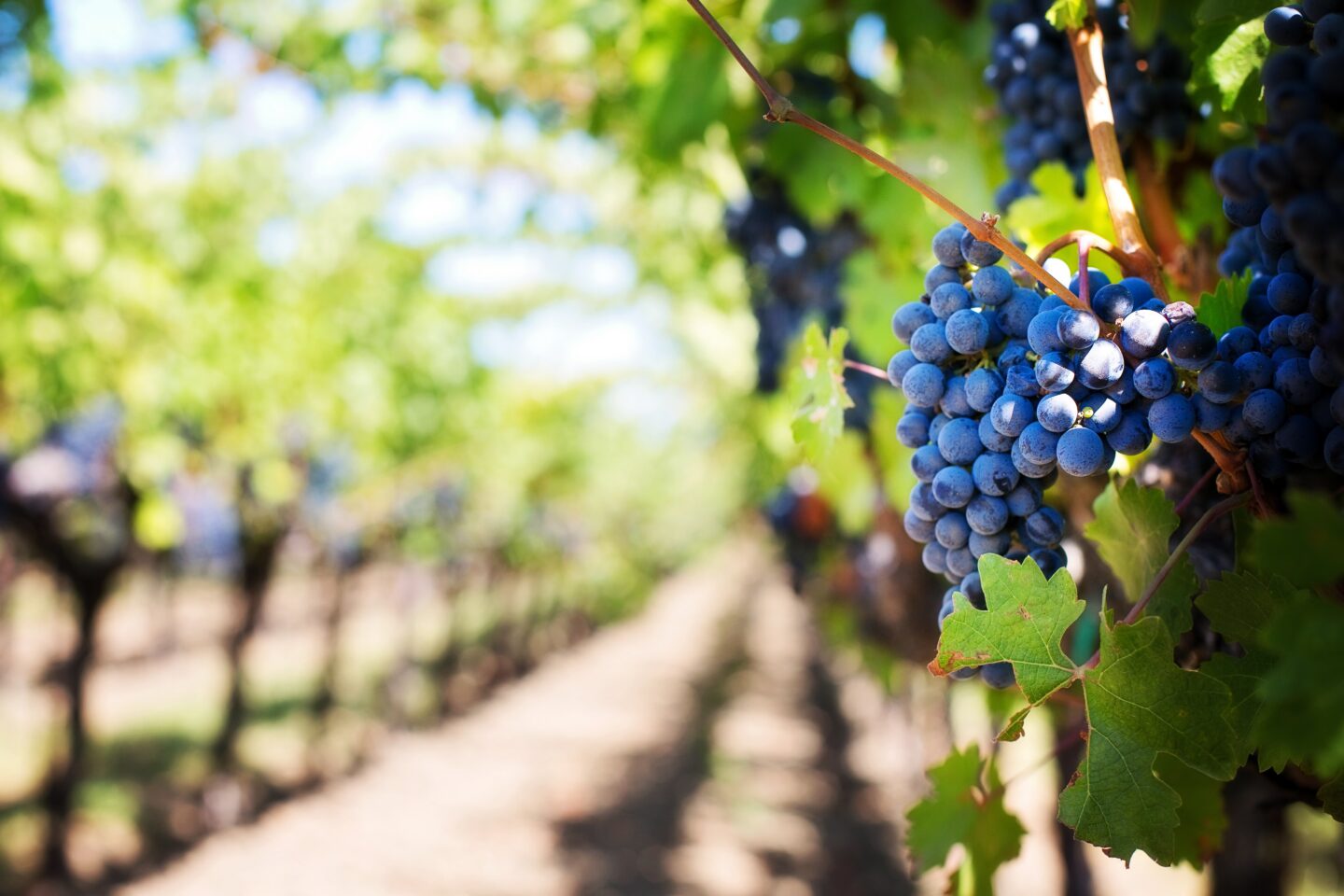
It may seem a bit tasteless (no pun intended!) for a cemetery to grow grapes for winemaking. For the vast majority of cemeteries, this would likely be out of the question, both because of zoning hurdles and the inevitable accusations that such a venture would be a disrespectful cash grab. However, when it’s a Catholic diocese simply looking to save on landscaping costs by growing grapes instead of grass, with all proceeds going toward scholarship programs, well, that’s a little harder to wine about. In fact, it’s a pretty clever way to turn unused cemetery land into something that benefits the living.
The Roman Catholic Diocese of Oakland first pioneered the “grave-to-goblet” movement in 2006 as part of an initiative to save on the landscaping costs of unused grounds. When it was discovered that planting grapevines costs less than half the price of turf grass, the idea began to ferment. Through their cemetery properties at Holy Sepulchre Cemetery in Hayward, CA, Holy Cross Cemetery in Antioch, CA and St Joseph Cemetery in San Pablo, CA, they produce hundreds of cases of Bishop’s Vineyard wine with all funds donated to Catholic schools. The idea was so successful, the Catholic Diocese of Sacramento decided to plant vineyards of their own at St Mary’s Cemetery in Sacramento, CA and Calvary Cemetery in Citrus Heights, CA, supplying wine for local parishes, communion chalices and charity events.
5. Helping the Bees
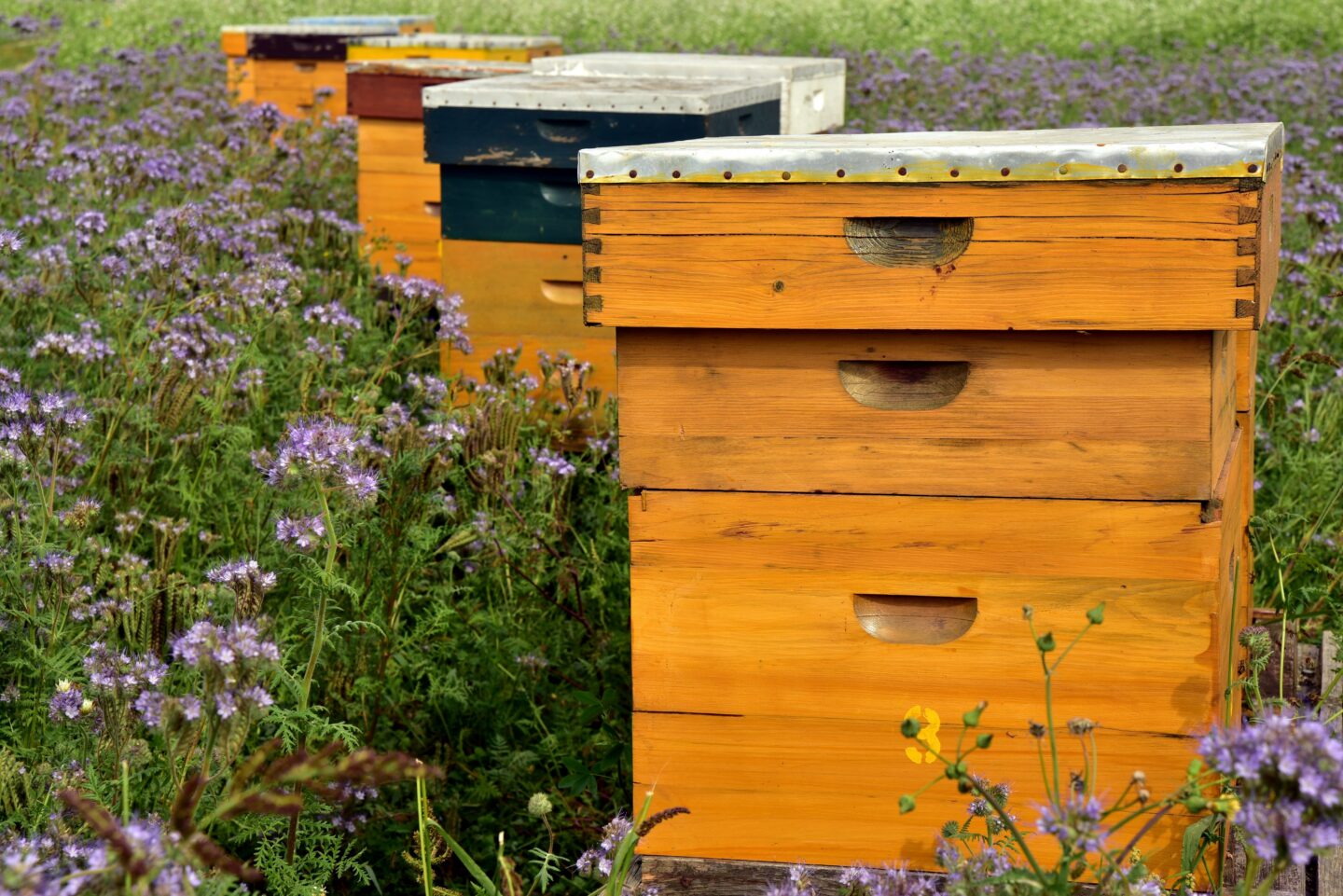
If you’ve read or watched the epic, time-traveling Outlander series, you may already be familiar with the centuries-old folklore connecting bees with death. In fact, the ninth book in Diana Gabaldon’s bestselling series, Go Tell the Bees That I Am Gone, takes its title from an old tradition in which families would inform their beehives when someone in the household died, believing the bees might otherwise abandon their hives. While this custom has largely faded into history, the connection between bees and the dearly departed is alive and well in some cemeteries. Whether through intentional beekeeping programs or simply allowing portions of their grounds to remain untouched, cemeteries are becoming unexpected sanctuaries for these essential pollinators.
There are several cemeteries across the country where you can find hives among the headstones. Evergreen-Washelli Cemetery in Seattle, WA has partnered with the Catacomb Bee Collective to provide sanctuary to 20 honeybee colonies. The adjoined funeral home even features an observation hive in the lobby and gives the harvested honey to grieving families. At Bellefontaine Cemetery in St. Louis, MO, beehives are intentionally scattered among the historic gravestones and curated trees to promote local biodiversity and harvest “cemetery honey” for the community. Then there is the recent discovery of the largest known colony of ground-nesting mining bees in the world at East Lawn Cemetery in Ithaca, NY. Established in 1878, the cemetery’s loose, sandy soil, expansive green spaces and relatively undisturbed grounds created ideal conditions for these bees to thrive. Despite their impressive numbers, these solitary bees are nonaggressive and rarely sting, making them harmless neighbors to cemetery visitors and valuable pollinators for the surrounding ecosystem.
6. Letting the Dogs in

Founded more than 200 years ago, Congressional Cemetery in Washington, D.C., was established as a final resting place for members of Congress and other prominent figures. Like many historic cemeteries, its sprawling grounds were designed to resemble an inviting park. In the early 1990s, the cemetery took advantage of this park-like setting by establishing a dog-walking club that allows members to pay an annual fee for the privilege of letting their dogs roam off-leash on the grounds. The program, now known as the “K9 Corps,” has become so popular that membership fees provide a significant source of revenue to help maintain and preserve the historic cemetery. Its success even inspired Philadelphia’s Woodlands Cemetery to launch a similar program in 2014. While the Woodlands doesn’t offer the same off-leash privileges, members do receive a branded “Wooflands” dog leash. Talk about teaching an old cemetery some new tricks!
7. Creating a Gardening Club
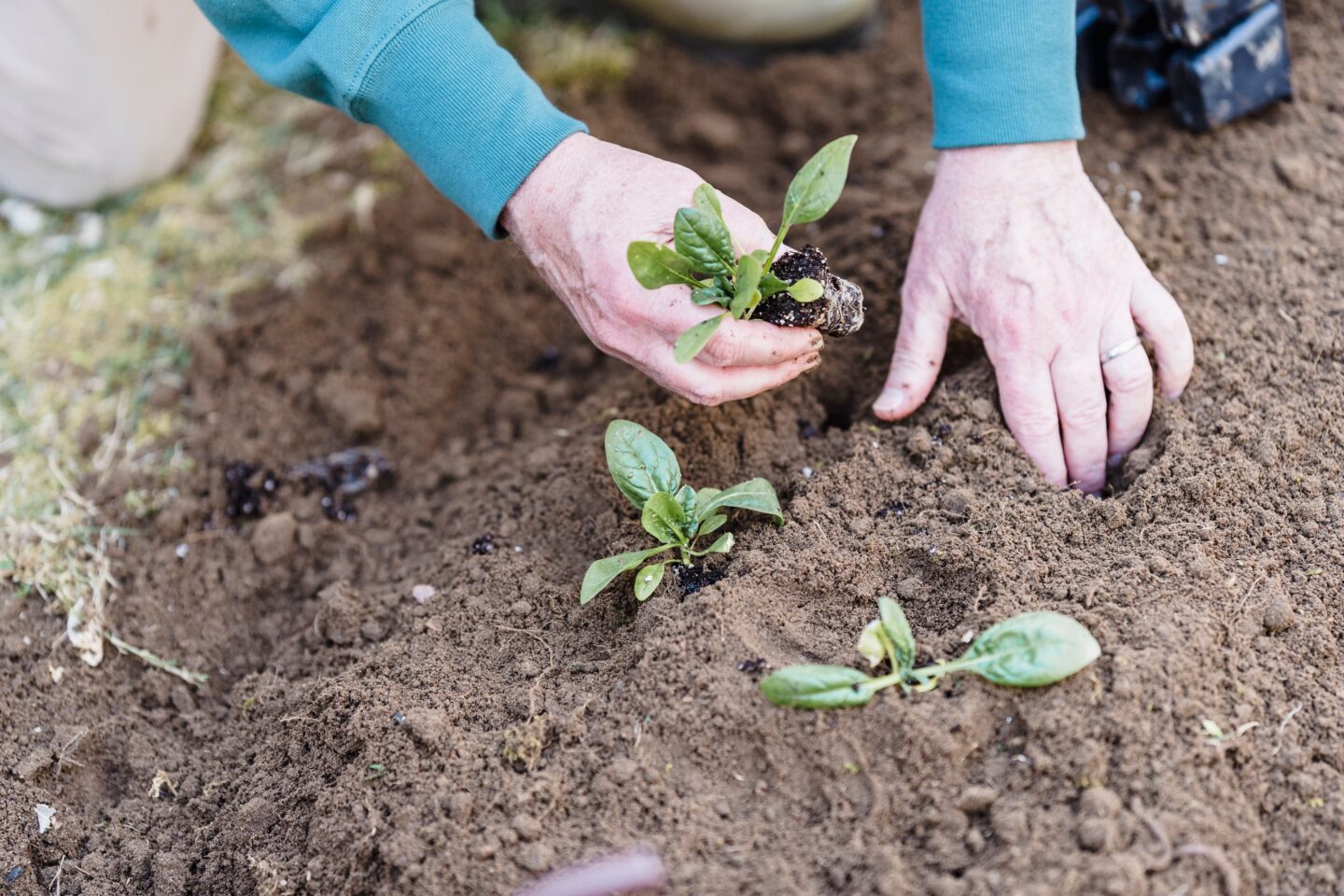
While many of the examples on this list involve finding creative new uses for cemetery land not occupied by gravesites, this next example focuses on breathing new life into the spaces where the dearly departed are already laid to rest. At the Woodlands Cemetery in Philadelphia, PA, community members have a unique opportunity to join the “Grave Gardeners” program. Volunteers adopt Victorian-era cradle graves and plant historically accurate flowers, shifting the property from a place of static mourning into a thriving horticultural education site. What is especially neat is that the cemetery provides heirloom plant varieties to ensure the Victorian-era graves are decorated in the same manner they would have been during the person’s lifetime. This unique idea inspired the owners of Historic Easton Cemetery in Easton, PA to start their own grave gardening club.
As cemeteries continue to find creative ways to make the most of their land, it’s exciting to imagine what other possibilities the future might hold. What do you think about cemeteries serving purposes beyond their traditional role, and which of these ideas do you find most interesting? Share your thoughts in the comments below!
Related Reading
11 Remarkable Graves with Incredible Back Stories
8 Ways Cemeteries Can Enliven Their Communities
7 Out of the Ordinary Gifts Left On Famous Gravesites